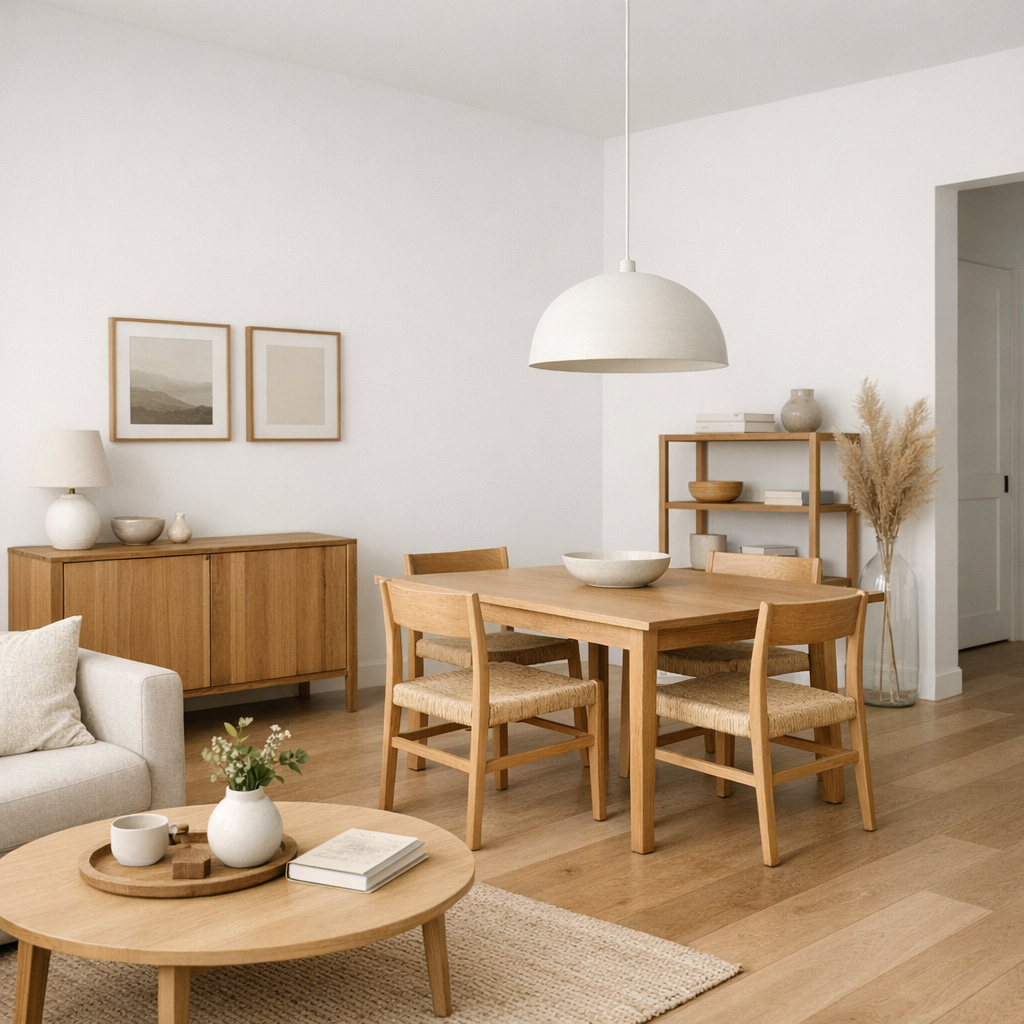
Minimalist home design for peaceful living is more than just a style choice—it’s a lifestyle shift that reflects how we want to feel in our own space. In today’s fast-paced world, homes are no longer just places to sleep. They are where we relax, recharge, work, and spend time with family. A minimalist interior helps reduce visual noise, lower stress, and create a calm environment that supports everyday life. By focusing on simplicity, function, and intention, minimalist homes feel lighter, more open, and surprisingly warmer than many people expect.
What Is Minimalist Home Design?
Minimalist home design is about living with less, but living better. It doesn’t mean empty rooms or cold spaces. Instead, it focuses on:
-
Clean lines and uncluttered layouts
-
Neutral and soothing color palettes
-
Functional furniture with purpose
-
Thoughtful décor instead of excess items
The goal is to remove what you don’t need so that what remains truly adds value to your life.
Minimalism works well for both small apartments and larger homes because it makes spaces feel organized, breathable, and intentional.
Why Minimalist Living Feels So Peaceful
A cluttered home often leads to a cluttered mind. When too many items compete for attention, your brain stays overstimulated.
Minimalist home design for peaceful living works because it:
-
Reduces visual stress
-
Makes daily cleaning easier
-
Improves focus and relaxation
-
Encourages mindful living habits
Walking into a calm, balanced space at the end of the day can instantly change your mood.
Core Principles of Minimalist Home Design
1. Less Clutter, More Meaning
Minimalism doesn’t mean throwing everything away. It means keeping items that serve a purpose or bring joy.
Ask yourself:
-
Do I use this regularly?
-
Does this item improve my daily life?
-
Does it fit the mood I want in my home?
If the answer is no, it may be time to let it go.
2. Neutral and Soft Color Palettes
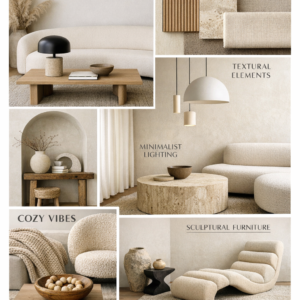
Minimalist interiors often use colors like white, beige, soft gray, or warm earth tones. These shades reflect light beautifully and make rooms feel calm and spacious.
To avoid a dull look:
-
Mix warm and cool neutrals
-
Add texture through fabrics and wood
-
Use one soft accent color sparingly
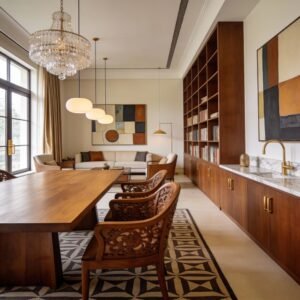
A bright, airy living room with neutral walls, natural light, and simple furniture instantly feels welcoming.
Minimalist Living Room Design Ideas
The living room is often the heart of the home, making it the perfect place to apply minimalist principles.
Choose Simple, Comfortable Furniture
Instead of bulky furniture sets, select a few well-designed pieces:
-
A clean-lined sofa in a neutral shade
-
A simple coffee table with storage
-
One or two comfortable chairs
Leave enough space between items to allow easy movement and visual balance.
Let Natural Light Take Center Stage
Minimalist living rooms shine when natural light is maximized.
-
Use light curtains or sheer fabrics
-
Avoid blocking windows with heavy furniture
-
Add a mirror to reflect daylight
A sun-filled room with minimal décor feels peaceful and uplifting throughout the day.
Minimalist Bedroom Design for Better Rest
Your bedroom should feel like a retreat, not a storage space.
Keep the Bed Area Calm and Clear
The bed is the focal point. Keep it simple:
-
Neutral bedding with soft textures
-
Minimal pillows instead of piles
-
A clean headboard or no headboard at all
Avoid placing unnecessary items around the bed. Clear space promotes better sleep.
Smart Storage Is Key
Hidden storage helps maintain a clean look:
-
Under-bed storage boxes
-
Built-in wardrobes
-
Simple nightstands with drawers
A clutter-free bedroom supports relaxation and restful sleep.
Minimalist Kitchen Design That Works for Real Life
Minimalist kitchens are not just stylish—they’re practical.
Focus on Function Over Decoration
Keep countertops mostly clear. Only leave out items you use daily, such as:
-
A coffee maker
-
A fruit bowl
-
A wooden cutting board
This makes cooking easier and cleaning faster.
Simple Cabinets and Open Space
Flat-front cabinets in neutral colors work beautifully. If you like open shelves, limit them to a small section and keep items organized.
A bright kitchen with clean lines and minimal accessories feels fresh and efficient.
Bathroom Minimalism: Small Changes, Big Impact
Even small bathrooms benefit from minimalist design.
-
Use matching containers for toiletries
-
Keep surfaces mostly empty
-
Choose soft lighting and neutral tiles
A simple bathroom with clean lines and soft colors feels more like a spa and less like a crowded storage area.
Budget-Friendly Minimalist Tips for Beginners
Minimalist home design doesn’t require expensive furniture or renovations.
Here’s how to start on a budget:
-
Declutter first—it’s free
-
Rearrange existing furniture for better flow
-
Use neutral slipcovers or cushion covers
-
Add plants instead of décor items
A single indoor plant can add life and warmth without cluttering the space.
Common Minimalist Design Mistakes to Avoid
1. Making the Space Feel Cold
Minimalism should feel calm, not empty.
Avoid this by:
-
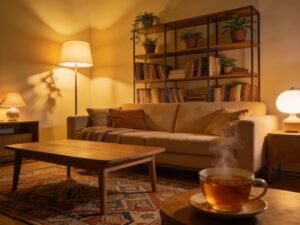
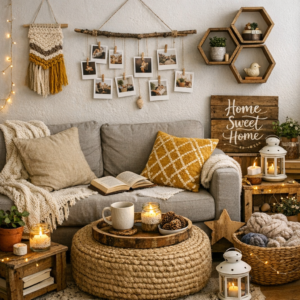
Adding warm textures like rugs and cushions
-
Using wood or natural materials
-
Layering soft lighting
2. Removing Personality Completely
Your home should reflect you.
Include:
-
One meaningful artwork
-
Family photos in simple frames
-
A favorite book or décor piece
Minimalist doesn’t mean boring—it means intentional.
3. Overdoing the “All-White” Look
While white is popular, too much can feel flat.
Mix in:
-
Beige or soft gray
-
Natural wood tones
-
Textured fabrics
This keeps the space balanced and inviting.
Timeless Minimalist Trends That Last
Minimalism works best when it avoids short-term trends.
Timeless ideas include:
-
Neutral color palettes
-
Quality over quantity
-
Functional furniture
-
Natural light and airflow
These elements remain stylish and practical for years.
How Minimalism Improves Daily Life
Minimalist home design for peaceful living goes beyond appearance.
It helps you:
-
Spend less time cleaning
-
Feel more organized
-
Focus better at home
-
Enjoy quiet, calm moments
When your space feels balanced, daily routines become smoother and less stressful.
Conclusion: Create a Home That Supports Peaceful Living
Minimalist home design for peaceful living is about making space for what truly matters. By reducing clutter, choosing calming colors, and focusing on function, you can transform your home into a place of comfort and clarity. Whether you live in a small apartment or a family home, minimalist principles can be adapted to fit your lifestyle and budget.
Start small. Declutter one room, simplify one corner, or replace visual noise with calm details. Over time, your home will not only look better—but feel better too.
Frequently Asked Questions
Is minimalist home design suitable for families?
Yes. With smart storage and practical furniture, minimalism works well for families and busy households.
Can minimalist homes still feel warm and cozy?
Absolutely. Warm colors, textures, and lighting make minimalist spaces feel inviting.
Do I need to get rid of everything to be minimalist?
No. Minimalism is about keeping what’s useful and meaningful, not removing everything.
Is minimalist design expensive?
Not at all. Decluttering and reusing what you already have is often the first step.
How do I start minimalism in one room?
Begin by clearing surfaces, reducing décor, and focusing on function and comfort.