Creating a master bedroom that feels like a personal sanctuary is more important than ever. In today’s fast-paced world, your bedroom should be a space where you can unwind, recharge, and enjoy moments of peace. Whether you live in a compact apartment or a spacious house, a thoughtfully designed master bedroom can transform your daily routine and improve your overall well-being. In this guide, we’ll explore practical, budget-friendly tips to help you design a relaxing master bedroom that combines style, comfort, and functionality.
1. Start with a Calming Color Palette
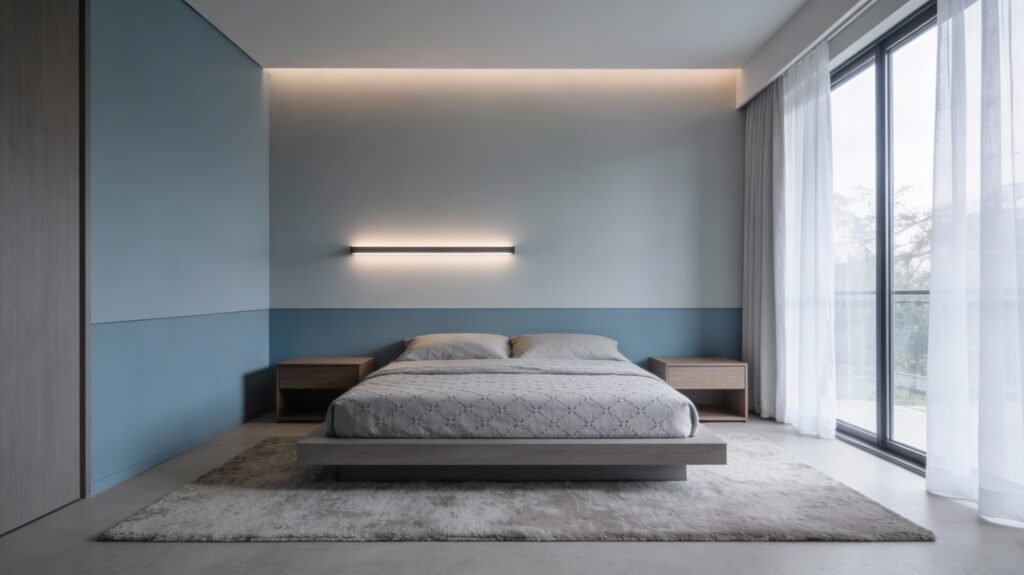
The colors you choose for your bedroom set the tone for relaxation. Soft, muted shades are ideal for creating a serene environment.
-
Neutral Tones: Whites, creams, and beiges create a clean, airy feeling that instantly calms the mind.
-
Pastel Shades: Soft blues, greens, or blush pinks can add a touch of color without overwhelming the senses.
-
Accents: Add warmth and personality with subtle accent colors in cushions, rugs, or artwork.
Why it works: Colors have a psychological impact on mood. Light and soft shades can reduce stress and make the space feel larger and more inviting.
2. Invest in Quality Bedding
A bedroom’s comfort largely depends on your bed setup. Investing in quality bedding doesn’t have to break the bank.
-
Mattress: Choose a mattress that supports your preferred sleeping position. Firmness is personal, but comfort is key.
-
Sheets: Soft, breathable fabrics like cotton or bamboo enhance sleep quality.
-
Layering: Add cozy blankets, quilts, and decorative pillows for both aesthetics and comfort.
Pro Tip: Rotating bedding with the seasons can refresh the room without major renovations.
3. Optimize Lighting for Mood and Function
Lighting can make or break a bedroom’s atmosphere. The goal is to balance functionality with relaxation.
-
Natural Light: Maximize daylight with sheer curtains that filter sunlight softly.
-
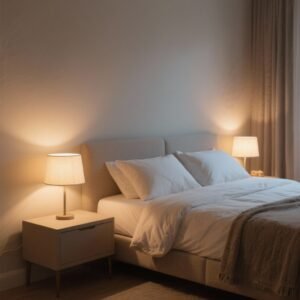
Layered Lighting: Combine ceiling lights, bedside lamps, and accent lighting to create different moods.
-
Warm Light: Choose warm-toned bulbs for a cozy, inviting ambiance in the evening.
Avoid harsh overhead lighting that can feel cold or clinical. Soft, adjustable lighting encourages rest and relaxation.
4. Keep Clutter to a Minimum
A cluttered bedroom can increase stress and make relaxation difficult.
-
Smart Storage: Use under-bed storage, floating shelves, and multi-purpose furniture to keep items organized.
-
Daily Tidying: Spend 5–10 minutes each day clearing surfaces to maintain a calm environment.
-
Minimal Decor: Stick to a few meaningful pieces rather than filling every surface with decorations.
Why it matters: A clean, organized space signals your brain to relax, creating a more peaceful atmosphere.
5. Personalize with Thoughtful Decor
Your bedroom should reflect your personality while remaining calming.
-
Art and Wall Decor: Choose artwork or framed photos that evoke positive emotions.
-
Plants: Indoor plants like peace lilies, snake plants, or succulents improve air quality and add a natural touch.
-
Textiles: Rugs, throws, and curtains contribute to texture and warmth without cluttering the space.
Tip: Balance personal items with simplicity to avoid visual overstimulation.
6. Create a Comfortable Seating Area
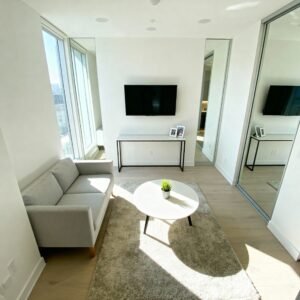
If space allows, add a cozy corner for reading, meditation, or morning coffee.
-
Armchair or Bench: Place near a window or at the foot of the bed.
-
Small Table or Ottoman: Perfect for placing books, candles, or a cup of tea.
-
Soft Lighting: A floor lamp or table lamp enhances the ambiance of the seating area.
Why it’s effective: Having a dedicated relaxation spot reinforces your bedroom as a peaceful retreat.
7. Incorporate Calming Scents and Sounds
Engaging multiple senses can deepen the feeling of relaxation.
-
Aromatherapy: Essential oils like lavender, chamomile, or sandalwood can create a soothing environment.
-
Sound: Soft background music, white noise machines, or gentle water fountains can mask disruptive sounds.
-
Air Quality: Ensure proper ventilation for fresh air, which supports restful sleep.
Pro Tip: Avoid devices with bright lights or loud notifications in your bedroom to maintain tranquility.
8. Pay Attention to Flooring and Rugs
The right flooring can enhance comfort and warmth.
-
Soft Rugs: Place a plush rug near the bed for a cozy touch underfoot.
-
Natural Materials: Wooden floors or bamboo provide warmth and are easy to maintain.
-
Layering Rugs: Combining textures and patterns can add depth without cluttering.
Why it matters: Flooring influences both aesthetics and how the space feels underfoot, impacting overall comfort.
9. Maintain a Practical Layout
The arrangement of furniture affects both functionality and flow.
-
Bed Placement: Position your bed where you can easily access both sides, ideally facing the door for a welcoming feel.
-
Walkways: Keep paths clear to avoid a cramped or cluttered look.
-
Balance: Avoid placing all furniture on one side; balance creates a visually pleasing environment.
Common Mistake: Overcrowding the room with furniture reduces open space, making it feel smaller and less relaxing.
10. Add Timeless Touches
While trends are fun, a timeless design ensures your bedroom remains stylish for years.
-
Classic Furniture: Neutral wooden frames or upholstered beds work with various styles.
-
Simple Patterns: Stripes, subtle florals, or geometric designs are versatile.
-
Quality over Quantity: Focus on durable, well-made pieces rather than following every trend.
Why it works: Timeless design reduces the need for constant updates and keeps the space feeling serene.
Conclusion
Designing a relaxing master bedroom is about balancing comfort, style, and functionality. By choosing a calming color palette, investing in quality bedding, optimizing lighting, reducing clutter, and adding personal yet minimal decor, you can create a space that supports rest and rejuvenation. Remember to include soft textures, soothing scents, practical layouts, and timeless touches to maintain both comfort and aesthetic appeal.
Take small steps—start with one change, like swapping lighting or decluttering surfaces—and gradually build your sanctuary. Your bedroom should be a haven where you can unwind, recharge, and feel truly at peace.
FAQ
1. How can I make a small master bedroom feel larger?
Use light colors, mirrors, and minimal furniture. Vertical storage and multi-functional furniture also help maximize space.
2. What are the best lighting options for relaxation?
Soft, warm-toned bulbs, bedside lamps, and adjustable lighting layers create a soothing atmosphere.
3. How often should I refresh my bedroom decor?
Seasonal updates, like changing cushions or throws, can refresh the space without major renovations.
4. Are indoor plants necessary for a relaxing bedroom?
Not required, but they enhance air quality, add a natural touch, and improve mood.