
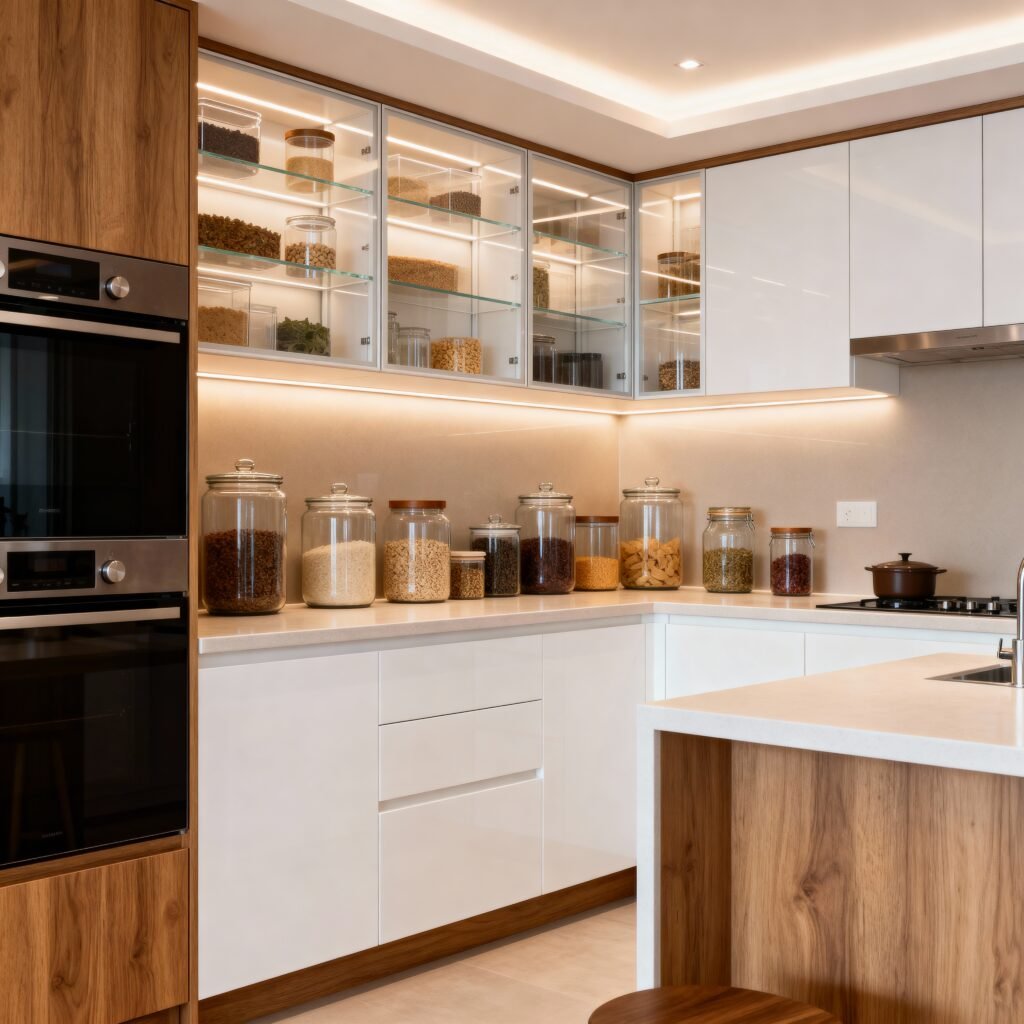
A well-organized kitchen can transform your daily routine from stressful to smooth, making cooking, cleaning, and even meal planning a joy. Whether you live in a cozy apartment or a spacious home, the way you organize your kitchen can save time, reduce clutter, and create a welcoming space for family and friends. From smart storage solutions to simple habits, small changes can have a big impact. In this guide, we share practical, budget-friendly, and beginner-friendly kitchen organization tips that will help you enjoy a cleaner, more functional, and aesthetically pleasing kitchen every day.
Why Kitchen Organization Matters
A cluttered kitchen can make cooking feel chaotic and time-consuming. Beyond aesthetics, a well-organized kitchen improves efficiency, reduces stress, and even prevents food waste. Imagine effortlessly finding your favorite spices, pulling out pots and pans without digging, and having a countertop that invites you to cook. The secret isn’t just storage—it’s thoughtful organization. By arranging items based on how you use them and adopting simple daily habits, anyone can maintain a kitchen that works for their lifestyle.
1. Declutter Before You Organize
Before adding containers or racks, take a moment to declutter. Start by:
-
Sorting items: Keep only the utensils, gadgets, and cookware you use regularly. Donate or discard duplicates.
-
Checking expiration dates: Go through your pantry, fridge, and freezer. Toss expired products.
-
Removing non-kitchen items: Many kitchens gather random things over time—keys, papers, or toys. Find a home for these elsewhere.
Decluttering first makes organizing much easier and prevents unnecessary storage purchases.
2. Maximize Cabinet and Drawer Space
Cabinets and drawers are the backbone of kitchen organization. Small changes can make a big difference:
-
Use vertical space: Install shelf risers to stack plates or mugs.
-
Drawer dividers: Keep utensils, cutlery, and kitchen tools separate for easy access.
-
Pull-out baskets or trays: Make it easier to reach items at the back of deep cabinets.
-
Lazy Susans: Ideal for spices, oils, and condiments, reducing the need to move multiple items to find one.
Organizing your cabinets properly means less time searching and more time cooking.
3. Smart Pantry Organization
A tidy pantry helps you plan meals efficiently and avoid food waste. Consider:
-
Clear containers: Store grains, cereals, and pasta in labeled containers. It looks neat and helps you spot low stock quickly.
-
Group by category: Keep snacks together, canned goods together, and baking items in one section.
-
Use baskets or bins: Great for small packets, tea bags, or seasoning sachets.
-
First-in, first-out method: Place newer items behind older ones to use up products before they expire.
Simple strategies like these make pantry maintenance effortless.
4. Countertop Efficiency
Your countertop should feel spacious, not crowded. To achieve this:
-
Keep only essentials: Leave everyday items like a coffee maker or knife block. Store less frequently used gadgets in cabinets.
-
Use vertical storage: Wall-mounted racks or magnetic strips for knives can free up counter space.
-
Create zones: Designate areas for coffee, prep work, or baking. This keeps tasks streamlined.
A clutter-free countertop not only looks great but makes cooking much more enjoyable.
5. Refrigerator and Freezer Tips
An organized fridge and freezer reduce food spoilage and save money:
-
Group similar items: Dairy on one shelf, vegetables in drawers, and drinks together.
-
Use clear bins: Store small items like cheese sticks or yogurt cups to prevent them from getting lost.
-
Label and date items: Helps you quickly see what’s fresh and what needs to be used soon.
-
Keep it visible: Rotate older items to the front to minimize waste.
A little planning can make your cold storage a model of efficiency.
6. Everyday Habits for Kitchen Maintenance
Organization isn’t just about storage—it’s about habits:
-
Clean as you go: Wash utensils and wipe counters during cooking rather than after.
-
Daily quick tidy-up: Spend 5–10 minutes at the end of the day putting things back in place.
-
Return items immediately: Avoid piling dishes or tools on the counter.
-
Involve family members: Assign small tasks like clearing dishes or refilling pantry containers.
These habits keep your kitchen functional and stress-free long-term.
7. Budget-Friendly Storage Hacks
You don’t need fancy containers or high-end organizers to have a tidy kitchen:
-
Repurpose jars: Old glass jars are perfect for dry goods or spices.
-
Tension rods: Use them inside cabinets for cutting boards, trays, or lids.
-
Magazine holders: Great for holding foil, baking sheets, or even cutting boards vertically.
-
DIY labels: Use masking tape and a marker for an easy labeling system.
Simple hacks like these keep costs low while maximizing efficiency.
8. Common Mistakes to Avoid
Even with the best intentions, some errors can make organization ineffective:
-
Overcrowding drawers or shelves: Leaves items hard to reach and messy.
-
Ignoring zones: Placing items far from where they are used wastes time.
-
Keeping everything out “just in case”: Leads to clutter. Only keep what you use regularly.
-
Not labeling or grouping: Makes it harder for everyone in the family to maintain order.
Avoiding these mistakes ensures your kitchen remains functional and visually appealing.
9. Modern Trends That Are Also Timeless
Certain organizational trends combine style with practicality:
-
Open shelving: Keeps frequently used items within reach while adding a modern aesthetic.
-
Pull-out spice racks: Sleek, space-saving, and easy to maintain.
-
Minimalist approach: Focus on essentials, clean lines, and simplicity.
-
Natural materials: Wooden or bamboo containers add warmth while being durable.
Incorporating these ideas can make your kitchen both beautiful and efficient.
Conclusion
A well-organized kitchen is more than a pretty space—it’s the heart of a functional home. By decluttering, maximizing storage, maintaining everyday habits, and using budget-friendly solutions, anyone can transform their kitchen into a space that inspires cooking and simplifies daily life. Remember, organization is a continuous process; small, consistent changes create a lasting impact. Try implementing one or two tips today and enjoy the difference a tidy kitchen makes in your routine.
FAQ
Q1: How often should I reorganize my kitchen?
It’s helpful to do a mini-check every 1–2 months and a full declutter every 6 months.
Q2: Are clear containers necessary?
Not mandatory, but they make it easier to see what you have and maintain a tidy look.
Q3: Can small kitchens benefit from these tips?
Absolutely! Thoughtful storage, vertical space use, and decluttering are even more critical in compact spaces.
Q4: How do I keep kids from creating mess?
Assign age-appropriate tasks like putting away snacks or helping clear dishes, making it part of daily habits.