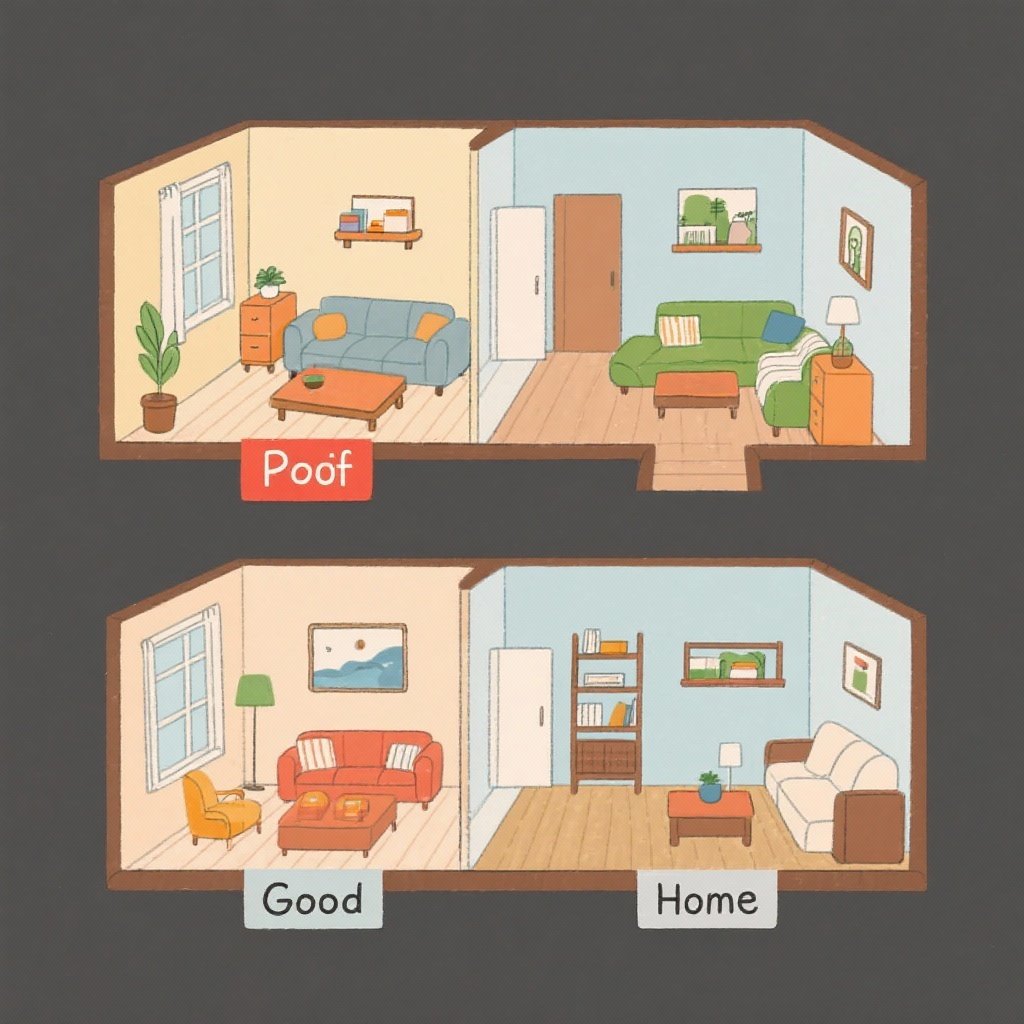
Your home is more than just walls and furniture—it’s a space where you live, relax, and make memories. Yet, even the coziest homes can feel cluttered, cramped, or chaotic if the layout isn’t right. Many homeowners unknowingly make small layout mistakes that affect the flow, functionality, and overall vibe of their living spaces. In today’s modern lifestyle, creating rooms that are both stylish and practical is essential. This guide will help you spot common mistakes and show you how to fix them, so your home feels balanced, inviting, and stress-free.
1. Ignoring Traffic Flow
A room may look beautiful, but if people constantly bump into furniture, it can feel uncomfortable. Traffic flow is all about creating clear paths that allow movement without obstruction.
Common mistakes:
-
Placing sofas or chairs too close to doorways
-
Blocking windows with bulky furniture
-
Crowding spaces with unnecessary items
Easy fixes:
-
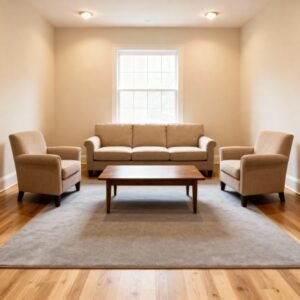
Leave at least 2–3 feet between major furniture pieces for walking paths
-
Position large furniture against walls, not in the middle of walkways
-
Use rugs to define seating areas without blocking movement
Why it matters: Smooth traffic flow makes rooms feel larger and more welcoming. Guests and family can move comfortably without feeling cramped.
2. Overcrowding with Furniture
It’s tempting to fill rooms with everything you love, but too much furniture can make a space feel chaotic.
Tips to avoid overcrowding:
-
Choose multifunctional pieces, like ottomans with storage
-
Stick to one or two statement items per room and keep smaller pieces minimal
-
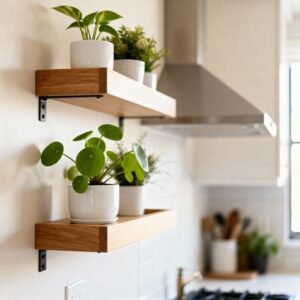
Use vertical space with shelves instead of floor-heavy furniture
Example: In a small living room, a slim sofa and a coffee table with storage work better than adding extra chairs that block movement.
Why it matters: Less clutter creates a calm, airy feel and makes rooms easier to clean and maintain.
3. Neglecting Natural Light
Natural light transforms a home, making spaces feel open and cheerful. Many people unknowingly block it with heavy curtains, furniture, or poorly placed walls.
How to improve lighting:
-
Choose light, airy curtains or blinds that can be fully opened
-
Keep large furniture away from windows
-
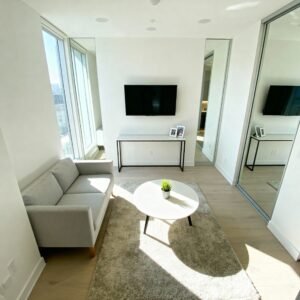
Use mirrors to reflect sunlight into darker corners
Budget-friendly idea: A well-placed floor mirror opposite a window can instantly brighten a room.
Why it matters: Bright spaces boost mood, make rooms appear bigger, and highlight your interior décor choices.
4. Skipping Scale and Proportion
Furniture that is too large or too small for the room can throw off the balance and make a space uncomfortable.
Common scale mistakes:
-
Oversized sofas in small apartments
-
Tiny rugs in a large living area
-
Too many small chairs that fragment seating areas
Smart solutions:
-
Measure your room before buying new furniture
-
Choose furniture that complements the room’s size and shape
-
Use area rugs to define zones and maintain proportion
Why it matters: Correct scale makes rooms feel cohesive and visually appealing, while mismatched sizes can make even a stylish space feel off.
5. Forgetting Focal Points
Every room needs a visual anchor—a point that draws attention and organizes the layout. Without it, spaces can feel directionless.
Tips to create a focal point:
-
Highlight a fireplace, artwork, or large window
-
Arrange furniture to face the focal point
-
Use accent colors, lighting, or textures to emphasize the area
Example: In a living room, a bold rug or a vibrant painting can serve as a central feature, guiding furniture placement and adding character.
Why it matters: Focal points give rooms purpose and prevent layouts from feeling random or cluttered.
6. Ignoring Functionality
Style is important, but rooms must work for how you live. Many layouts look great but fail in daily practicality.
Common functionality mistakes:
-
Placing the TV too high or far from seating
-
Using dining tables that are too small for the family
-
Overlooking storage needs
Solutions:
-
Think about how the space will be used daily
-
Keep frequently used items within easy reach
-
Include smart storage solutions like baskets, shelves, and hidden cabinets
Why it matters: Functional layouts save time, reduce stress, and make rooms more enjoyable.
7. Disregarding Room Harmony
A home should feel like a cohesive whole, not a mix of unrelated styles or colors.
How to maintain harmony:
-
Stick to 2–3 main colors per room
-
Repeat materials or patterns in subtle ways (wood, metal, or fabric)
-
Balance bold pieces with neutral ones
Example: Pairing a bright armchair with neutral walls and a subtle patterned rug keeps the look fresh and intentional.
Why it matters: Harmonious rooms feel polished, calm, and professionally designed—even on a budget.
8. Underestimating Outdoor Spaces
Garden and patio layouts are often an afterthought, but these areas extend your home’s living space.
Outdoor mistakes to avoid:
-
Crowding patios with oversized furniture
-
Ignoring sunlight or shade when placing seating
-
Neglecting pathways and garden flow
Simple improvements:
-
Use lightweight, movable furniture for flexibility
-
Incorporate planters to define areas naturally
-
Add string lights or lanterns for evening ambiance
Why it matters: Thoughtful outdoor layouts create inviting areas for relaxation, entertaining, and connecting with nature.
9. Not Considering Flexibility
Modern homes need adaptable layouts for changing needs. Fixed furniture or one rigid design can limit usability.
Tips for flexible spaces:
-
Use modular sofas or movable tables
-
Opt for foldable or stackable chairs for extra guests
-
Avoid permanent partitions unless necessary
Why it matters: Flexible layouts make homes ready for new family routines, hobbies, or seasonal changes without a major redesign.
Conclusion
Avoiding common layout mistakes is the key to a home that feels spacious, stylish, and functional. Focus on traffic flow, proper scale, natural light, focal points, and flexibility to create rooms that truly work for your lifestyle. Remember, a well-planned layout doesn’t require a big budget—just careful observation and thoughtful choices. By making these small adjustments, every room in your home can feel harmonious, inviting, and practical.
FAQs
1. How do I start fixing a bad layout?
Begin by observing how you use each room. Identify blocked paths, unused corners, and furniture that feels out of place, then rearrange pieces with traffic and functionality in mind.
2. Can small homes benefit from these tips?
Absolutely! Small spaces benefit the most from thoughtful layouts, proper scale, and multifunctional furniture.
3. How important is furniture size?
It’s crucial. Oversized or tiny pieces can make rooms feel cramped or empty. Always measure your space before buying.
4. Is lighting really that important?
Yes. Natural light enhances mood, improves visual appeal, and makes spaces appear larger. Mirrors can amplify light in dark areas.
5. Can outdoor layouts affect indoor space perception?
Yes, a well-designed garden or patio visually extends your home and creates a sense of openness.