Limited space shouldn’t stop you from creating a lush, green sanctuary at home. Vertical gardening is the perfect solution for small apartments, balconies, and tiny backyards, allowing you to grow plants upward instead of outward. Not only does it save space, but it also adds a fresh, vibrant touch to your home décor. In this guide, we’ll explore practical vertical gardening ideas, share budget-friendly tips, and help you design a thriving vertical garden that transforms any small corner into a beautiful, relaxing green space.
Why Vertical Gardening Matters in Small Spaces
For many homeowners and renters, space is a precious commodity. Traditional gardening can feel impossible when you only have a balcony or a tiny courtyard. Vertical gardening offers a modern, stylish solution. By using walls, fences, and hanging structures, you can maximize your space while creating a natural, calming environment.
Besides saving space, vertical gardens improve air quality, reduce noise, and even make your home feel more vibrant and inviting. They are perfect for small homes, urban apartments, and anyone who loves greenery but lacks a traditional garden.
Choosing the Right Vertical Garden Style
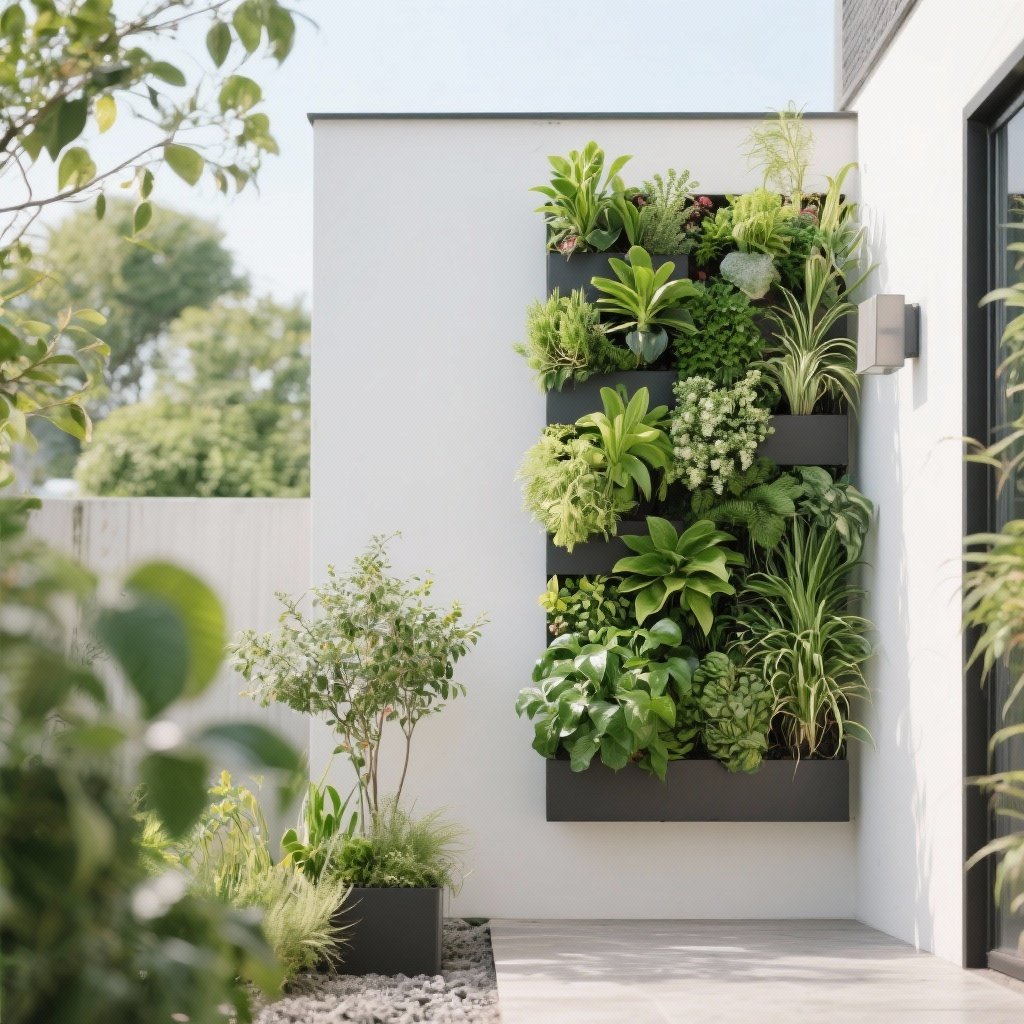
1. Wall-Mounted Planters
Wall-mounted planters are simple, versatile, and visually striking. You can use wooden boxes, metal trays, or even repurpose old crates.
Tips:
-
Use lightweight materials to avoid overloading walls.
-
Ensure proper drainage to prevent water damage.
-
Mix plant types for visual interest – trailing plants like ivy or pothos look great with upright herbs.
Example: A sunny balcony wall with staggered wooden planters filled with herbs, colorful flowers, and trailing vines creates a layered, natural look.
2. Hanging Gardens
Hanging gardens are ideal for apartments and small balconies. They let you utilize overhead space, creating a floating green canopy.
Tips:
-
Use macramé hangers or sturdy hooks for pots.
-
Rotate plants regularly to ensure even sunlight.
-
Lightweight, small plants like ferns, succulents, and spider plants work best.
Example: Three-tiered hanging planters above a small outdoor table, filled with fragrant herbs and cascading flowers, add charm without taking floor space.
3. Trellises and Climbing Structures
Trellises transform blank walls into living masterpieces. They support climbing plants like jasmine, morning glory, or small vegetables.
Tips:
-
Place trellises near sunlight.
-
Train plants gradually using soft ties.
-
Combine with vertical planters at the base for a lush layered effect.
Example: A balcony corner with a wooden trellis supporting flowering vines and small planter boxes at the bottom creates a mini garden wall.
Selecting Plants for Vertical Gardens
Choosing the right plants is key to a thriving vertical garden. Consider growth patterns, sunlight, and maintenance needs.
Beginner-Friendly Choices:
-
Herbs: Basil, mint, parsley
-
Small vegetables: Lettuce, cherry tomatoes, radishes
-
Flowering plants: Petunias, marigolds, fuchsias
-
Foliage plants: Pothos, ferns, succulents
Tips:
-
Mix textures and colors for visual appeal.
-
Avoid large plants that may overpower small structures.
-
Start with easy-care plants if you’re new to gardening.
Budget-Friendly Vertical Gardening Ideas
You don’t need a big budget to create a stunning vertical garden.
-
Repurpose materials: Old pallets, wine crates, and tin cans can become stylish planters.
-
DIY wall pockets: Sew fabric pockets to hang on a wooden board for lightweight plants.
-
Reuse bottles: Cut plastic bottles to make hanging planters or herb holders.
Example: A DIY pallet garden on a balcony wall, with colorful flowers in recycled pots, provides a professional look at a fraction of the cost.
Common Mistakes to Avoid
Even small vertical gardens can face challenges. Here’s what to watch out for:
-
Overwatering: Vertical gardens drain differently; too much water can harm plants.
-
Poor sunlight: Ensure plants get enough natural light; rotate if needed.
-
Crowding: Don’t pack too many plants together; each needs space to thrive.
-
Ignoring maintenance: Trim, prune, and check for pests regularly.
Maintaining Your Vertical Garden
Maintenance is simpler than it seems.
-
Watering: Use drip irrigation or self-watering planters for convenience.
-
Fertilizing: Apply diluted liquid fertilizer every few weeks for healthy growth.
-
Pruning: Remove dead leaves and trim overgrown plants to maintain aesthetics.
-
Seasonal swaps: Replace seasonal flowers to keep your vertical garden colorful year-round.
Creative Ideas to Enhance Your Vertical Garden
-
Add seating nearby: A small bench or chair makes it a relaxing corner.
-
Mix textures: Combine plants with different leaf shapes and colors.
-
Lighting: String lights or spotlights add charm at night.
-
Themed gardens: Try a herb-only wall or a succulent-focused design for a curated look.
Example: A small balcony with a vertical succulent garden, fairy lights, and a wooden bench becomes a cozy retreat perfect for morning coffee.
Conclusion
Vertical gardening is a practical, beautiful, and modern way to bring nature into small spaces. By choosing the right style, selecting suitable plants, and using creative DIY solutions, you can transform any wall, balcony, or corner into a lush oasis. Start small, experiment with designs, and enjoy the satisfaction of a thriving green space that brightens your home and lifts your mood.
Even if you have limited space, vertical gardening proves that size doesn’t limit creativity – it just encourages smarter, more beautiful solutions. Try these ideas at home, and watch your small space bloom into a vibrant garden.
FAQ
Can vertical gardens survive indoors?
Yes! Choose low-light-tolerant plants like pothos, ferns, and succulents, and provide adequate watering and humidity.
How often should I water a vertical garden?
It depends on plant type and climate, but most vertical gardens benefit from light, frequent watering rather than deep, infrequent watering.
Are vertical gardens suitable for beginners?
Absolutely! Start with easy-care plants, simple planters, and small setups to gain confidence.
Can I grow vegetables in a vertical garden?
Yes. Herbs, lettuce, cherry tomatoes, and radishes work well in vertical setups with enough sunlight.
How do I prevent pests in vertical gardens?
Regular inspection, proper spacing, and occasional natural insecticides like neem oil help maintain plant health.