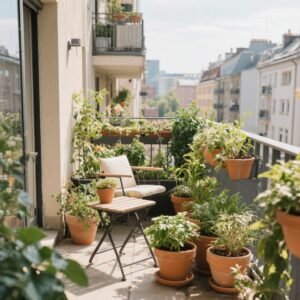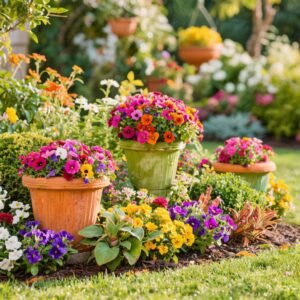
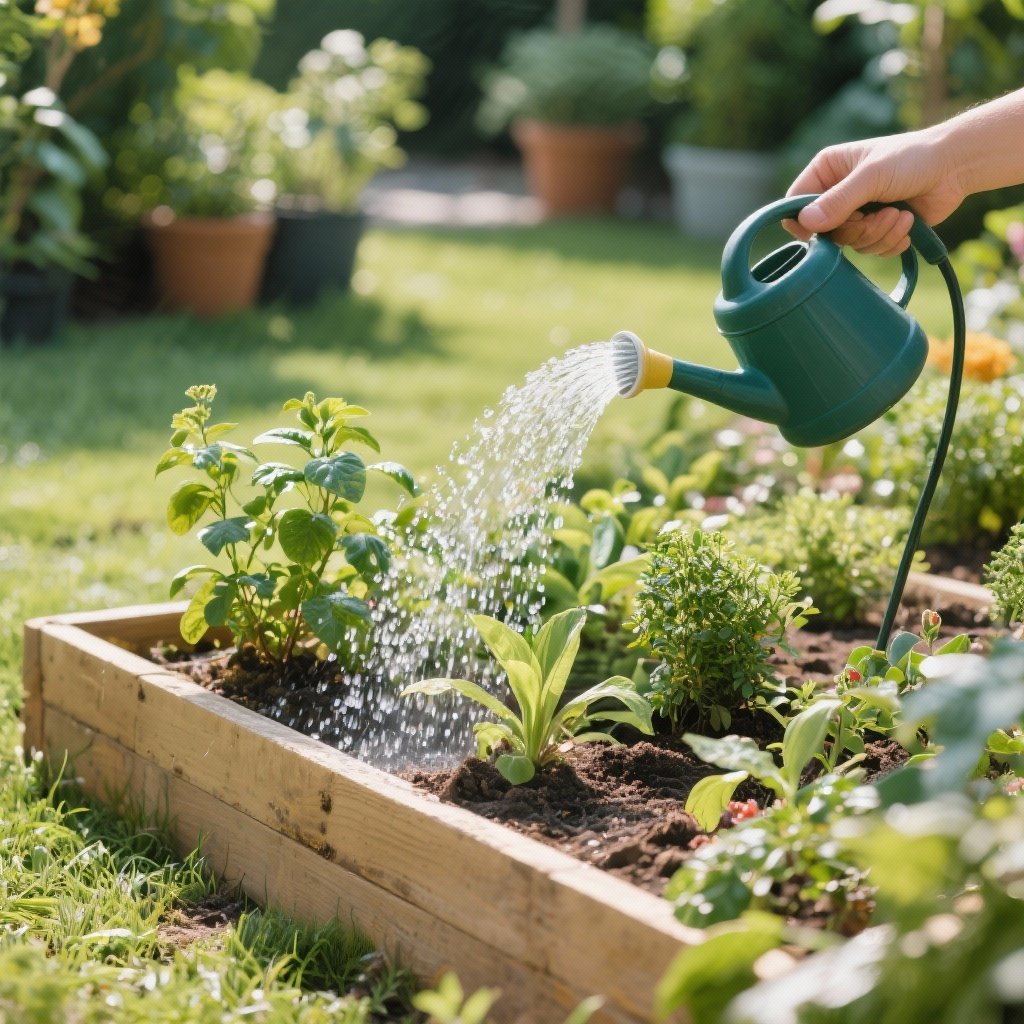
Keeping a beautiful garden can feel like a luxury when your days are packed with work, family, and life’s endless to-dos. Yet, maintaining a lush, thriving outdoor space doesn’t have to consume hours of your week. With a few practical habits, smart planning, and easy routines, even the busiest people can enjoy a vibrant garden that feels alive and welcoming. Whether you have a small balcony, a backyard, or a cozy patio, these garden maintenance tips will help you achieve green serenity without stress.
Why Garden Maintenance Matters for Busy People
Gardens aren’t just pretty spaces—they are a source of calm, a place for creativity, and even a small personal retreat. Studies show that spending time in nature reduces stress and boosts mood. However, neglecting plants or letting weeds take over can make the space feel overwhelming rather than relaxing. The good news? With smart strategies, your garden can thrive with minimal time and effort. The key is consistency, planning, and using the right techniques that fit into a busy lifestyle.
1. Start With Smart Plant Selection
Choosing the right plants is the foundation of a low-maintenance garden. Opt for species that are hardy, drought-tolerant, and suited to your local climate.
-
Native plants: They are adapted to your environment and require less watering or special care.
-
Perennials over annuals: Perennials come back year after year, saving you the hassle of replanting.
-
Low-maintenance shrubs and grasses: Ornamental grasses, lavender, and boxwoods add beauty with minimal upkeep.
Tip: Mix textures and colors to create a vibrant look without planting high-maintenance flowers everywhere.
2. Simplify Watering
Watering is often the most time-consuming task, but there are simple ways to make it effortless.
-
Drip irrigation systems: These deliver water directly to plant roots, reducing waste and saving time.
-
Self-watering planters: Perfect for busy homeowners or apartment balconies.
-
Water in the early morning or late evening: This ensures plants absorb water efficiently, minimizing evaporation.
Why it works: Efficient watering keeps plants healthy and prevents problems like root rot or dry patches, saving future effort.
3. Mulch for Less Work
Mulching is one of the easiest ways to reduce garden maintenance.
-
Organic mulch: Bark, wood chips, or compost help retain soil moisture and suppress weeds.
-
Plastic or rubber mulch: Great for decorative pathways or areas where you want minimal growth.
-
Thickness: Apply a 2–3 inch layer around plants to protect roots and reduce watering needs.
Extra tip: Mulch also keeps soil temperature stable, promoting healthier plants and fewer pests.
4. Create a Seasonal Routine
Even a few minutes a week can keep your garden looking its best if you have a structured schedule.
-
Weekly tasks: Check for weeds, dead leaves, or pests.
-
Monthly tasks: Trim shrubs, fertilize plants, and rotate potted plants for sunlight.
-
Seasonal tasks: Plant seasonal flowers, prune trees, and refresh mulch.
Pro advice: Use a small notebook or a phone calendar to track tasks—it keeps the garden from becoming overwhelming.
5. Keep Tools Accessible and Organized
Nothing wastes time like hunting for gardening tools. A tidy, well-stocked kit makes quick maintenance easier.
-
Essential tools: Pruners, gloves, watering can, trowel, and garden fork.
-
Storage solution: Keep tools in a small shed, box, or even a stylish basket near your garden.
-
Maintenance: Clean and sharpen tools regularly to prevent damage and make your work faster.
Why it matters: Efficient tools mean your quick 10-minute check-ins are actually productive.
6. Embrace Vertical Gardening
If your space is small or you want a modern look, vertical gardening reduces the need for constant weeding and watering.
-
Wall-mounted planters: Great for herbs, succulents, or small flowers.
-
Hanging baskets: Adds greenery without taking up ground space.
-
Trellises: Perfect for climbing plants like jasmine, clematis, or beans.
Vertical gardening also makes it easier to reach plants and enjoy them without bending or kneeling constantly.
7. Focus on Easy-Care Lawns
Lawns can be a high-maintenance area, but with a few tricks, they stay healthy with minimal effort.
-
Drought-tolerant grass types: Such as fescue or Bermuda.
-
Grass alternatives: Clover or ornamental moss reduce mowing needs.
-
Regular mowing schedule: Set your mower height higher—it encourages deeper roots and reduces watering.
Extra tip: Leave grass clippings on the lawn as natural fertilizer.
8. Companion Planting and Natural Pest Control
Preventing problems is easier than fixing them. Companion planting reduces pests naturally.
-
Herbs: Plant basil near tomatoes to repel insects.
-
Marigolds: These flowers deter nematodes and other harmful bugs.
-
Attract beneficial insects: Ladybugs and bees help control pests and pollinate plants.
Why it works: Natural pest control is low effort, environmentally friendly, and keeps your garden thriving.
9. Declutter and Keep it Simple
A crowded garden can feel chaotic. Sometimes, less is more.
-
Limit plant types: Stick to a few varieties that thrive together.
-
Create clear pathways: This makes maintenance easier and adds structure.
-
Prune dead or overcrowded growth: Healthy plants have more space to flourish.
Pro tip: A clean, organized garden is easier to enjoy and less stressful to maintain.
10. Plan for Minimal Yet Impactful Decor
Decorative elements can elevate your garden without extra upkeep.
-
Outdoor seating: A small bench or chairs encourage relaxation.
-
Garden lights: Solar-powered lights add charm with zero wiring.
-
Planters and pots: Stylish containers reduce soil mess and allow easy plant rotation.
Why it works: Thoughtful design reduces the need for constant rearranging and keeps your space welcoming.
Conclusion
Even busy people can have a thriving garden with the right approach. By selecting low-maintenance plants, simplifying watering, using mulch, keeping tools organized, and creating a clear routine, you can enjoy a beautiful outdoor space without spending hours daily. Remember, gardens are meant to be a source of joy, calm, and creativity. Start small, stay consistent, and watch your garden flourish effortlessly.
Quick Takeaways:
-
Choose hardy, low-maintenance plants.
-
Use efficient watering methods like drip systems.
-
Mulch generously to save time and water.
-
Set a simple weekly or monthly garden routine.
-
Embrace vertical gardening and smart decorative elements.
FAQ
How often should I water a busy-person garden?
Water early in the morning or late evening 2–3 times per week, adjusting for rainfall and plant type.
Can I have a garden without spending much time daily?
Yes, with smart plant choices, mulch, and a simple routine, even 10–15 minutes per week can keep it thriving.
What is the easiest type of plant for beginners?
Native perennials, succulents, and herbs like rosemary or thyme are low-maintenance and forgiving.
How can I prevent weeds with minimal effort?
Use mulch, ground covers, and closely spaced plants to naturally suppress weeds.
Is vertical gardening suitable for all types of plants?
Most herbs, small flowers, and climbing plants work well. For larger shrubs or trees, stick to traditional beds.