In today’s fast-paced world, finding moments of calm can feel impossible. Between work, family responsibilities, and digital distractions, mental fatigue has become a common struggle. Gardening, however, offers a simple yet powerful solution. Spending time nurturing plants, tending soil, and enjoying greenery can have profound effects on our mental health. Beyond its beauty, gardening has emerged as a natural therapy, reducing stress, boosting mood, and fostering mindfulness. This article explores the science, practical tips, and real-life benefits of gardening for mental well-being.
Why Gardening Matters for Mental Health
Gardening is more than just a hobby—it’s a holistic experience. Working with plants connects us to nature, encourages physical activity, and provides a sense of accomplishment. Studies show that spending time in green spaces can lower cortisol levels (the stress hormone) and reduce symptoms of anxiety and depression.
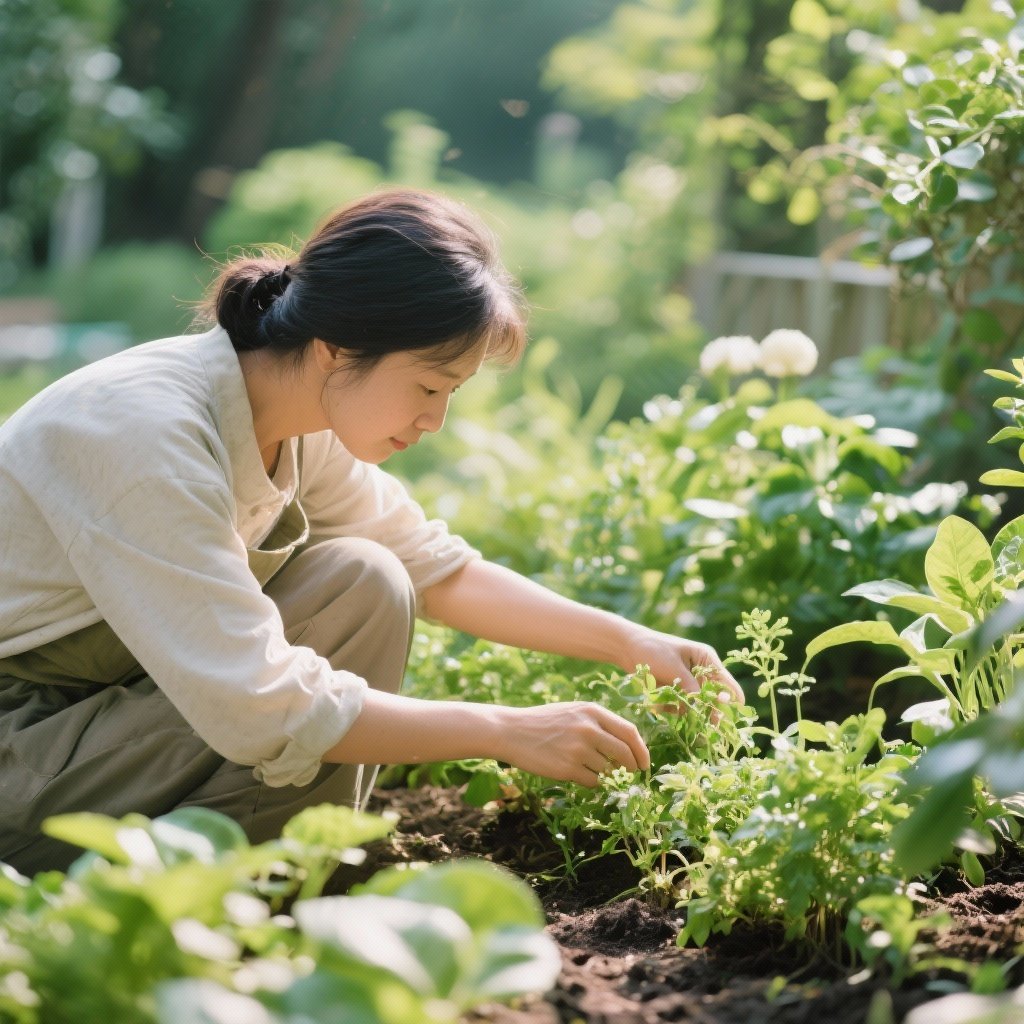
Moreover, gardening encourages mindfulness. When you focus on watering, planting, or pruning, your mind naturally slows down. This break from constant thinking creates mental clarity and relaxation.
Imagine walking into your backyard, feeling the soil between your fingers, and noticing tiny sprouts pushing through the earth—moments like these bring a sense of calm that few other activities offer.
Mental Health Benefits of Gardening
1. Reduces Stress and Anxiety
Gardening promotes relaxation by engaging your senses:
-
Touch: Feeling soil and plants can have grounding effects.
-
Sight: Greenery and flowers create a calming visual environment.
-
Smell: Fragrant herbs and blooms release soothing aromas.
Even 20–30 minutes in the garden daily can lower stress levels and leave you feeling refreshed.
2. Improves Mood and Emotional Well-being
Growing plants triggers a sense of purpose. Watching a seed sprout and flourish can uplift your spirits. It provides small, daily victories that reinforce positivity, helping combat feelings of sadness or frustration.
3. Boosts Cognitive Function and Mindfulness
Gardening requires planning and attention to detail—planting schedules, watering routines, and pruning techniques. These tasks stimulate the brain and encourage focus, which can improve memory and mental clarity. Mindfulness naturally develops as you concentrate on the present moment in the garden.
4. Encourages Physical Activity
Even light gardening, such as digging, watering, or weeding, counts as moderate exercise. Physical activity releases endorphins, improves circulation, and supports overall brain health, which contributes to a healthier mind.
Practical Gardening Tips for Mental Health
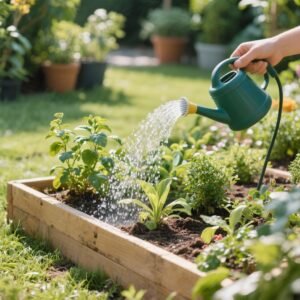
You don’t need a large backyard or expensive equipment to enjoy gardening benefits. Here’s how to start:
1. Begin Small and Simple
-
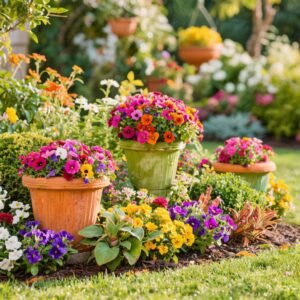
Use pots, window boxes, or balcony planters.
-
Start with easy-to-grow plants like herbs (basil, mint, rosemary) or flowers (marigolds, sunflowers).
-
Focus on one or two types of plants to avoid feeling overwhelmed.
2. Create a Routine
-
Water and check your plants at the same time daily.
-
A consistent routine encourages mindfulness and makes gardening a calming habit.
3. Make It a Multi-Sensory Experience
-
Choose plants with different textures, colors, and scents.
-
Add wind chimes, smooth stones, or garden decorations for a complete sensory environment.
4. Practice Mindful Gardening
-
Pay attention to how soil feels, the color of leaves, or the sound of birds while working.
-
Breathe deeply and focus on the present moment rather than worries.
5. Join a Gardening Community
-
Sharing tips and experiences with others fosters social connection, which improves mental well-being.
-
Online forums, local clubs, or community gardens are excellent places to start.
Common Mistakes to Avoid
Even in a small garden, mistakes can impact your experience:
-
Overcomplicating your garden: Start small; avoid planting too many types at once.
-
Neglecting routine care: Sporadic attention can stress both you and your plants.
-
Ignoring personal comfort: Wear gloves, use ergonomic tools, and take breaks to prevent strain.
-
Focusing solely on aesthetics: Gardening is about process and enjoyment, not perfection.
By avoiding these pitfalls, your gardening practice can remain stress-free and enjoyable.
Gardening Trends That Enhance Mental Health
Modern gardening trends combine style and wellness:
-
Indoor vertical gardens: Perfect for apartments, adding greenery without taking up floor space.
-
Herb and vegetable micro-gardens: Provides fresh produce and the satisfaction of growing your own food.
-
Sensory gardens: Incorporate fragrant plants, textured foliage, and soothing water features for a full relaxation experience.
-
Eco-friendly gardening: Composting and using natural fertilizers support environmental well-being, which contributes indirectly to mental health.
These trends prove that gardening can fit any lifestyle while promoting calm and creativity.
Conclusion: Bringing Calm Through Gardening
Gardening is a powerful tool for mental health. It reduces stress, boosts mood, encourages mindfulness, and promotes physical activity—all in one enjoyable activity. Whether you have a small balcony or a sprawling backyard, planting even a few herbs or flowers can make a meaningful difference.
Start small, establish a routine, engage your senses, and embrace the process. Over time, gardening becomes more than just a hobby—it transforms into a source of peace, joy, and personal growth.
By incorporating gardening into your daily life, you nurture both your plants and your mind, creating a healthier, happier home environment.
FAQs
How much time should I spend gardening for mental health benefits?
Even 20–30 minutes daily can improve mood, reduce stress, and foster mindfulness.
Can gardening help with depression and anxiety?
Yes. Engaging with plants and nature promotes relaxation, reduces cortisol, and encourages positive emotions.
Do I need a big garden to get benefits?
Not at all. Small container gardens, indoor plants, or balcony gardens provide similar mental health advantages.
What types of plants are best for mental health?
Herbs, flowering plants, and sensory plants with pleasant scents or textures are ideal for a calming environment.
Can children also benefit from gardening?
Absolutely. Gardening teaches responsibility, mindfulness, and patience, while boosting emotional well-being for all ages.