Balconies are often overlooked spaces in apartment living, but they hold incredible potential. Even a small balcony can become a serene escape, a mini garden, or a cozy nook where you can relax after a busy day. With more people living in apartments and seeking a connection with nature, creating a balcony garden is not only trendy but also beneficial for mental well-being, air quality, and overall home aesthetics. In this guide, we’ll explore practical and inspiring balcony garden ideas that suit beginners, families, and anyone looking to add greenery to their apartment.
Why a Balcony Garden Matters
Urban living often means limited outdoor space, but that shouldn’t stop you from bringing nature home. A balcony garden:
-
Improves air quality: Plants naturally filter pollutants and release oxygen.
-
Reduces stress: Being surrounded by greenery has a calming effect on the mind.
-
Enhances aesthetics: A well-planned balcony adds charm and personality to your apartment.
-
Supports sustainable living: Grow your own herbs or vegetables to reduce waste and enjoy fresh produce.
Even if your balcony is tiny, creative use of space and smart plant choices can turn it into a green sanctuary.
Planning Your Balcony Garden
Before you start buying plants, it’s essential to plan your space. Consider:
-
Sunlight exposure:
- South-facing balconies get full sun; ideal for flowering plants, tomatoes, or peppers.
- North-facing or shaded balconies suit ferns, ivy, and shade-loving flowers.
-
Available space:
- Measure your balcony to choose appropriately sized pots and planters.
- Think vertically—wall-mounted planters, hanging baskets, and tiered shelves save floor space.
Weight limits:
- Check your apartment’s balcony load capacity before adding heavy pots or furniture.
-
Watering convenience:
- Place plants near water sources or invest in self-watering pots to simplify maintenance.
Balcony Garden Layout Ideas
1. Vertical Gardens
Maximize space with vertical gardening. Use:
-
Wall-mounted planters
-
Hanging baskets
-
Wooden or metal shelving units
Vertical gardens are perfect for herbs, small flowers, and trailing plants. They also create a lush backdrop, making your balcony feel more spacious and cozy.
2. Container Gardens
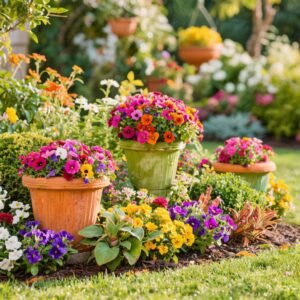
Container gardening offers flexibility and style. Choose:
-
Terracotta or ceramic pots for a classic look
-
Lightweight plastic or fiberglass pots for easy rearrangement
-
Decorative wooden boxes for a rustic charm
Containers allow you to mix different plants, flowers, and even small vegetables. Grouping plants by height and color creates a visually appealing layout.
3. Mini Herb and Vegetable Garden
Even a small balcony can support edible plants:
-
Basil, mint, and rosemary thrive in pots
-
Cherry tomatoes, peppers, and salad greens can be grown in container boxes
-
Vertical racks or tiered planters save space while increasing yield
Growing your own herbs and vegetables is not only satisfying but also budget-friendly.
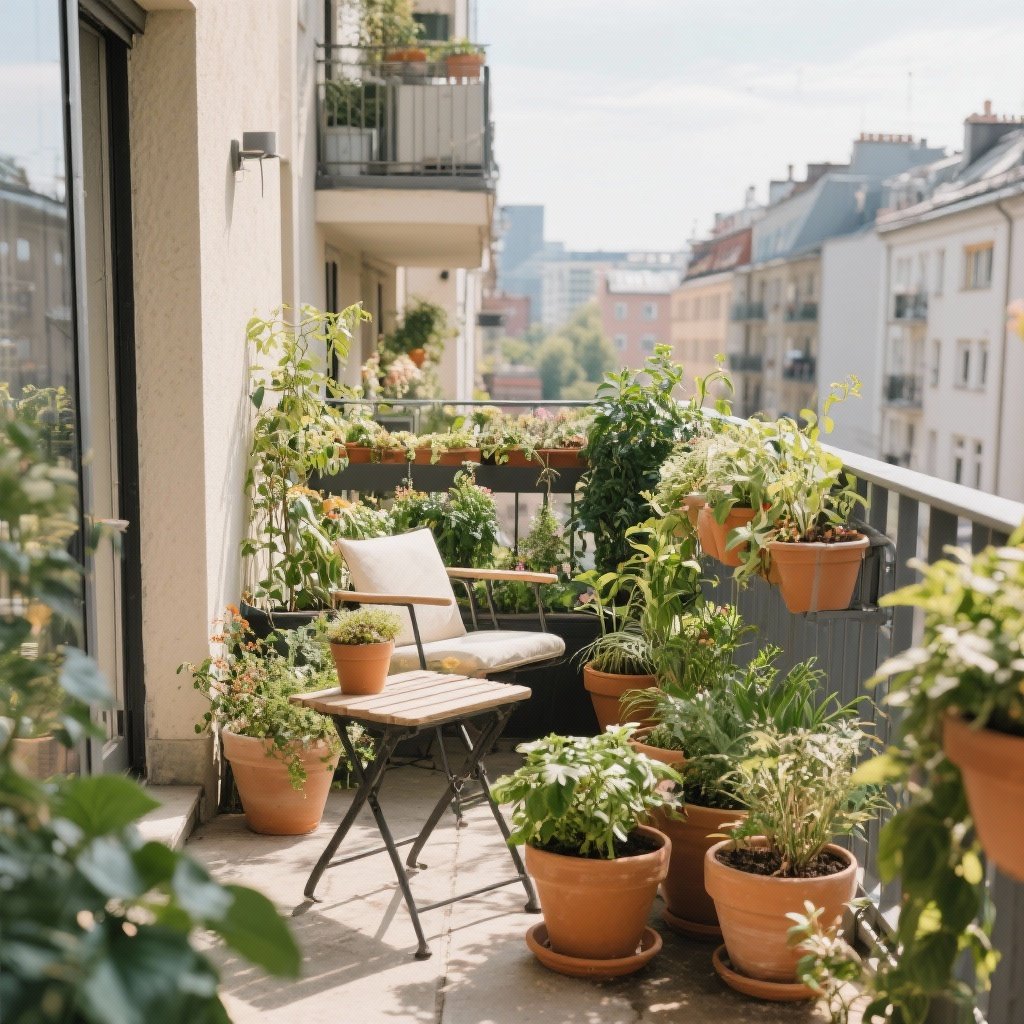
4. Cozy Seating Corners
Combine greenery with comfort by adding:
-
A small bench or folding chairs
-
Cushions and throw blankets
-
A tiny coffee table for morning tea or reading
Plants around seating areas create a relaxing atmosphere and natural privacy.
5. Hanging and Trailing Plants
Add movement and life to your balcony with hanging or trailing plants:
-
Ivy, pothos, or string-of-pearls create cascading effects
-
Hanging baskets with flowers add color at eye level
-
This approach saves floor space while enhancing aesthetics
Tips for a Successful Balcony Garden
-
Start small: Begin with a few plants and gradually expand.
-
Group by sunlight: Place plants with similar light needs together.
-
Regular care: Water consistently, trim dead leaves, and rotate pots for even growth.
-
Protect from wind: Use windbreaks or screens if your balcony is exposed.
-
Choose low-maintenance plants: For beginners, succulents, snake plants, and spider plants are excellent options.
Common Mistakes to Avoid
-
Overcrowding: Too many plants can restrict growth and airflow.
-
Ignoring drainage: Always use pots with proper drainage holes to prevent root rot.
-
Neglecting seasonal changes: Adjust plant placement based on seasonal sunlight and weather.
-
Skipping soil care: Use quality potting mix and refresh it annually to ensure healthy growth.
Modern Trends in Balcony Gardening
-
Vertical living walls: Use modular panels for a full green wall effect.
-
Mixed textures: Combine leafy plants with flowering ones for depth and interest.
-
Eco-friendly decor: Reuse jars, pallets, or old containers as planters.
-
Lighting: Add soft LED lights or fairy lights to enjoy your balcony at night.
These trends make your balcony garden stylish while keeping it practical and sustainable.
Conclusion
A balcony garden is more than just a decorative element; it’s a personal oasis that enhances well-being, home aesthetics, and sustainable living. Whether you have a tiny space or a large balcony, thoughtful planning, vertical arrangements, container gardens, and cozy seating areas can transform your outdoor space. Start small, focus on plants suited to your light conditions, and don’t be afraid to experiment with textures and colors. With consistent care and creativity, your balcony can become the ultimate green retreat right at home.
FAQ
Can I grow vegetables on a small balcony?
Yes! Use vertical planters or container boxes to grow herbs, cherry tomatoes, and salad greens.
How often should I water my balcony plants?
It depends on plant type and weather. Most balcony plants need watering 2–3 times per week; succulents require less.
What are the best low-maintenance plants for beginners?
Snake plants, spider plants, pothos, and succulents are ideal for easy care.
How do I protect my balcony garden from strong winds?
Use bamboo screens, trellises, or windproof plant stands to shield delicate plants.
Can I make my balcony garden cozy for seating?
Absolutely! Add compact chairs, cushions, a small table, and surround the area with plants for privacy and comfort.