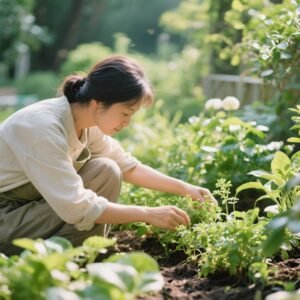
Gardening is no longer just a hobby for experienced green thumbs—it has become a popular lifestyle choice for homeowners, renters, and families alike. Creating a small, inviting garden can bring fresh air, relaxation, and even a touch of nature-inspired beauty into your daily life. The best part? You don’t need a huge backyard or expensive equipment to start. With simple, practical ideas, even beginners can transform their outdoor spaces into vibrant, serene gardens that feel both modern and timeless.
Why Start a Garden as a Beginner?
Gardens are more than just a collection of plants—they’re a place to unwind, enjoy nature, and boost your mood. Beginners often hesitate because they worry about maintenance, costs, or making mistakes. But gardening can be simple, enjoyable, and rewarding if you focus on the right approach. Starting small, learning as you go, and choosing the right plants can make all the difference.
Choose the Right Space for Your Garden
Before planting, consider where your garden will thrive:
-
Sunny spots: Most vegetables, flowers, and herbs need at least 4–6 hours of sunlight. Check your outdoor space in the morning and afternoon to see which areas get the most light.
-
Partial shade areas: Some plants like ferns, hostas, and leafy greens do well with indirect sunlight.
-
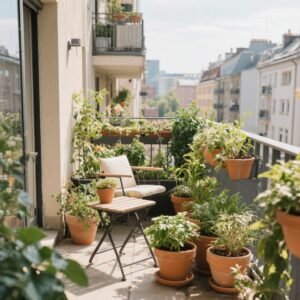
Balconies or small patios: Even limited space can host container gardens, hanging planters, or vertical gardens.
Tip: Start with one area rather than trying to transform the entire yard at once. A small, well-tended garden looks more inviting than a cluttered large space.
Pick Beginner-Friendly Plants
For beginners, the key is choosing plants that are low-maintenance yet visually appealing. Here are some easy options:
-
Herbs: Basil, mint, rosemary, and thyme grow quickly and are useful in the kitchen.
-
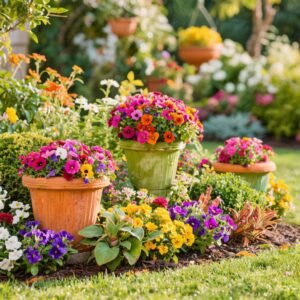
Flowers: Marigolds, sunflowers, zinnias, and petunias are colorful and forgiving.
-
Vegetables: Lettuce, spinach, radishes, and cherry tomatoes thrive with minimal care.
-
Indoor/outdoor mix: Pothos, spider plants, and succulents can be grown both inside and outside.
Tip: Stick to plants suited to your climate zone. Local garden centers often provide guidance for beginners.
Use Simple, Affordable Garden Layouts
You don’t need a professional landscaper to create a beautiful garden. Start with simple layouts that make planting and maintenance easy:
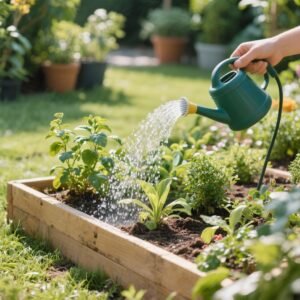
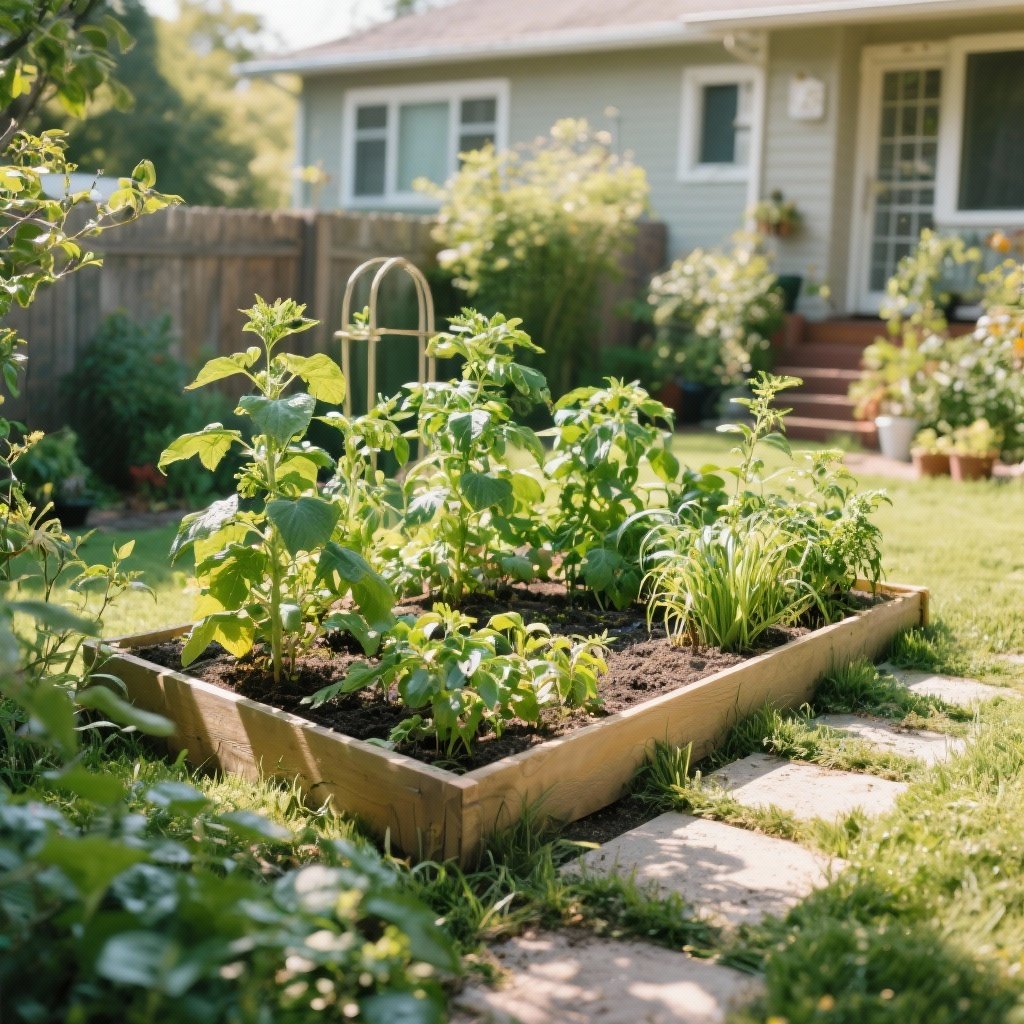
Raised Beds or Planters
Raised beds are perfect for beginners because they:
-
Prevent soil compaction
-
Improve drainage
-
Make weeding easier
You can build raised beds with wood, bricks, or recycled materials, keeping costs low.
Container Gardens
If you have a small patio or balcony, container gardens are ideal. Use pots, buckets, or recycled crates for:
-
Herbs near the kitchen
-
Colorful flowers on the balcony
-
Easy-to-move vegetables for sunlight adjustment
Vertical Gardens
Vertical gardening saves space and adds visual interest. Hang wall planters, shelves, or even repurpose old pallets for climbing plants like beans, peas, or decorative vines.
Tip: Arrange plants by height and sunlight needs. Taller plants go at the back, and shorter ones in front for a layered, natural look.
Incorporate Pathways and Decorative Elements
Gardens feel more inviting when you include simple decorative touches. Beginners can add:
-
Stepping stones or gravel paths for easy movement and a polished look.
-
Garden lights to enhance ambiance in the evening. Solar lights are budget-friendly and eco-friendly.
-
Benches or small seating areas to relax and enjoy the space.
-
Bird feeders or small fountains for a lively, tranquil atmosphere.
Tip: Don’t overcrowd the space—let plants breathe and maintain an open, airy feel.
Watering and Maintenance Tips
One of the main challenges for beginners is keeping plants healthy. Here’s how to simplify maintenance:
-
Consistent watering: Water plants in the early morning or late evening to prevent evaporation.
-
Mulching: Use organic mulch to retain moisture, prevent weeds, and enrich soil.
-
Fertilizing lightly: Opt for natural compost or gentle plant food once a month.
-
Pruning: Remove dead leaves and flowers to encourage new growth.
Common mistake: Overwatering or crowding plants. Give each plant space and water according to its needs.
Budget-Friendly Garden Hacks
Gardening doesn’t have to be expensive. Beginners can save money with these ideas:
-
DIY planters: Use old buckets, jars, or crates. Paint them for a colorful touch.
-
Seed starting: Start seeds indoors from leftover kitchen scraps like herbs or tomato seeds.
-
Recycling materials: Use stones, bricks, or wood from previous projects to create borders or pathways.
-
Community resources: Check local garden swaps or nurseries for affordable seedlings.
Tip: Focus on sustainable and reusable materials—your garden will thank you, and it’s eco-friendly.
Enjoy the Process and Learn Along the Way
Gardening is as much about the journey as the results. Mistakes are part of learning:
-
Plants may fail to grow—experiment with sunlight, soil, or watering.
-
Seasonal changes may require moving containers or adjusting layouts.
-
Journaling plant progress helps beginners track growth and troubleshoot problems.
Remember, even small gardens make a big impact on your mood, creativity, and lifestyle.
Conclusion
Starting a garden as a beginner doesn’t have to be overwhelming. By choosing the right space, beginner-friendly plants, and simple layouts, anyone can create a lush, inviting outdoor area. Focus on low-maintenance plants, easy-to-follow care routines, and budget-friendly hacks to enjoy your garden without stress. With patience, experimentation, and a love for nature, your outdoor space can become a beautiful retreat that refreshes both body and mind.
Start small, stay consistent, and watch your garden flourish—every plant you nurture is a step toward a more vibrant, peaceful, and stylish home lifestyle.
FAQ
How much space do I need to start a garden?
Even a small balcony or windowsill can host a thriving garden with containers or vertical planters.
What is the easiest plant for beginners?
Herbs like basil, mint, and rosemary are low-maintenance and rewarding for beginners.
How often should I water my garden?
Most plants thrive with 2–3 times a week, but check the soil—never let it stay soggy or bone dry.
Can I grow vegetables without a backyard?
Yes! Container gardening and vertical gardens allow you to grow vegetables even in limited spaces.
How can I prevent pests naturally?
Use companion planting, neem oil sprays, or introduce beneficial insects like ladybugs.