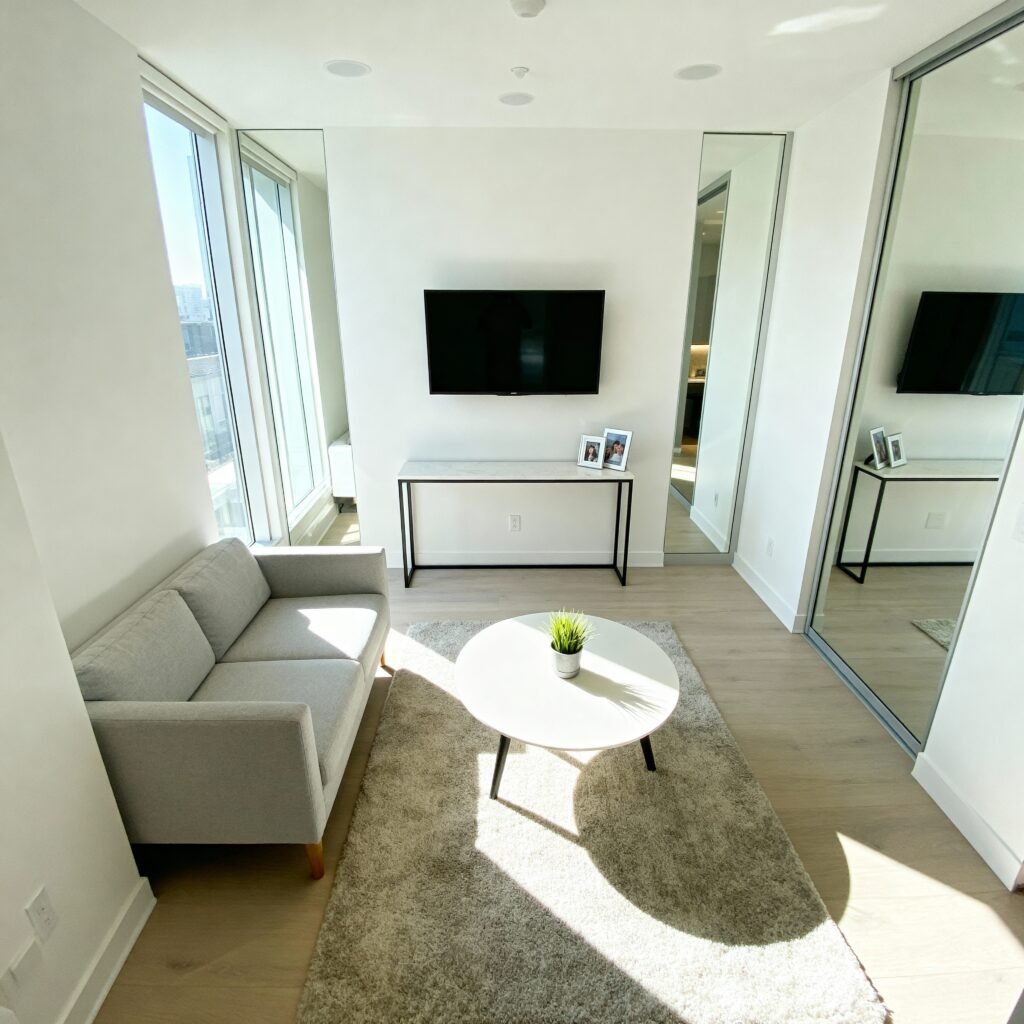
A cozy living room can feel cramped if space isn’t used wisely. Making your living room appear larger doesn’t mean knocking down walls—it’s about smart design, color choices, and clever furniture placement. In this guide, we’ll explore practical, budget-friendly tips to transform your living room into an open, airy, and stylish space that feels bigger than it really is.
Why a Spacious Living Room Matters
Your living room is the heart of your home—a place for family gatherings, relaxation, and entertaining guests. A cramped, cluttered space can feel stressful and uncomfortable, even if the room is well-decorated. Creating a sense of openness not only improves comfort but also enhances natural light, flow, and the overall aesthetic of your home. Fortunately, there are plenty of simple, affordable ways to make your living room feel larger without expensive renovations.
1. Choose Light and Neutral Colors
Color has a huge impact on how spacious a room feels. Light shades reflect more natural light, making walls and furniture appear farther apart.
-
Walls: Soft whites, beiges, pastels, or light grays instantly open up space.
-
Furniture: Opt for sofas and chairs in neutral tones; they blend seamlessly into the room.
-
Accents: Add subtle pops of color with cushions, rugs, or artwork to maintain personality without overwhelming the space.
Why it works: Lighter shades trick the eye into perceiving depth, while dark colors can make walls feel closer and the room smaller.
2. Use Mirrors Strategically
Mirrors are an easy, inexpensive tool for creating the illusion of more space.
-
Place a large mirror opposite a window to reflect natural light.
-
Consider a gallery wall of smaller mirrors to add interest and depth.
-
Avoid placing mirrors where they create glare or cut off views awkwardly.
Pro tip: Full-length mirrors can double as decorative pieces while making your living room appear taller.
3. Maximize Natural Light
Bright, sunlit rooms always feel bigger and more welcoming.
-
Keep windows uncovered or use sheer curtains to let in more light.
-
Trim outdoor plants that block sunlight.
-
Use reflective décor like glass or metallic accessories to bounce light around the room.
Why it works: Natural light eliminates shadows that can make a room feel confined. Even small living rooms benefit from a bright, airy vibe.
4. Smart Furniture Arrangement
How you place furniture can dramatically affect how spacious your living room feels.
-
Floating furniture: Pull sofas and chairs slightly away from walls to create a sense of flow.
-
Multi-functional pieces: Use ottomans with storage or nesting tables to save space.
-
Clear pathways: Avoid blocking entrances or high-traffic areas; a clear path makes a room feel open.
Common mistake to avoid: Overcrowding the room with too many bulky pieces. Minimalism doesn’t mean boring—it means thoughtful placement.
5. Opt for Sleek and Low-Profile Furniture
Heavy, oversized furniture can shrink the visual size of your living room.
-
Choose low sofas and chairs to maintain sightlines across the room.
-
Legs-on-furniture designs allow the floor to remain visible, creating an impression of more space.
-
Glass or acrylic tables keep the room feeling light and airy.
Tip: Transparent or reflective furniture doesn’t compete visually, helping the space feel less crowded.
6. Declutter and Organize
A cluttered living room feels smaller, regardless of its actual size.
-
Keep surfaces clear of unnecessary items.
-
Use baskets, trays, or boxes to organize books, toys, and magazines.
-
Limit decorative accessories to a few statement pieces instead of many small items.
Why it works: Clean, organized spaces allow the eye to move freely, giving the illusion of more room.
7. Play with Vertical Space
Many homeowners focus on floor space but forget walls and ceilings.
-
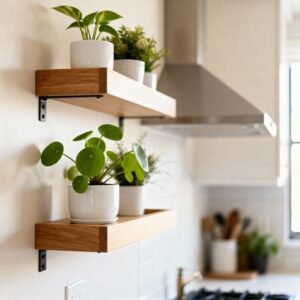
Hang shelves higher to draw the eye upward.
-
Tall bookcases, plants, or vertical artwork emphasize height.
-
Avoid heavy curtains that sit low; let them flow from ceiling to floor.
Why it works: Drawing attention vertically makes your living room feel taller and more spacious.
8. Use Rugs Wisely
Rugs define areas and create cohesion, but the wrong size can make a room feel cramped.
-
Choose a large rug that extends under furniture to unify the space.
-
Avoid many small rugs, which can fragment the floor visually.
-
Lighter shades or subtle patterns help keep the room airy.
Pro tip: Layer a neutral rug under a smaller patterned rug for texture without shrinking the room visually.
9. Keep Window Treatments Minimal
Heavy curtains or oversized blinds can cut off natural light and make a room feel boxed in.
-
Opt for light, sheer fabrics.
-
Hang curtains close to the ceiling to make windows appear taller.
-
Use simple rods instead of ornate, bulky ones.
Why it works: Uninterrupted natural light and higher visual lines create an expansive feeling.
10. Add Reflective and Transparent Elements
Small decorative choices can have a surprisingly big impact.
-
Glass coffee tables, acrylic chairs, and metallic accessories reduce visual weight.
-
Mirrors, glass lamps, or polished surfaces bounce light and open up space.
-
Avoid overly dark or dense materials that absorb light.
Why it works: When light flows freely and objects don’t block sightlines, rooms feel larger.
Conclusion: Transform Your Living Room into a Spacious Haven
Making your living room look bigger is all about perception. Through careful color choices, smart furniture placement, and strategic use of light and mirrors, you can create an airy, welcoming space without knocking down walls. Start with small changes—like decluttering, adding mirrors, or rearranging furniture—and watch your living room feel more open and inviting. With a few thoughtful adjustments, you can enjoy a stylish, modern space that feels both cozy and spacious.
FAQ
Can small living rooms really feel spacious without remodeling?
Yes! Clever furniture arrangement, light colors, and mirrors can instantly make even a small room feel larger.
Are budget-friendly tips effective for room expansion?
Absolutely. Simple changes like decluttering, rearranging furniture, and using light-colored décor can make a big difference at minimal cost.
Should I avoid all dark colors in a small living room?
Not necessarily. Dark accents can add depth, but keep them minimal and balanced with light walls and furniture.
Do mirrors actually make a room bigger?
Mirrors reflect light and create an illusion of depth, which makes a room feel more spacious. Placement is key for the best effect.
How can I combine style and spaciousness?
Opt for sleek, low-profile furniture, light fabrics, and thoughtful décor placement to maintain style without crowding the space.