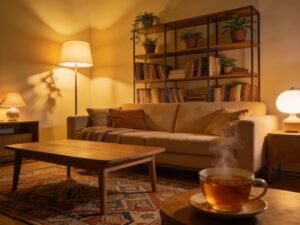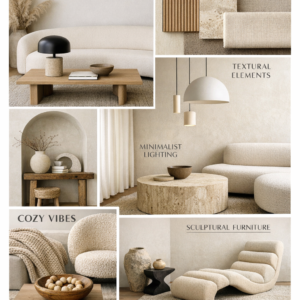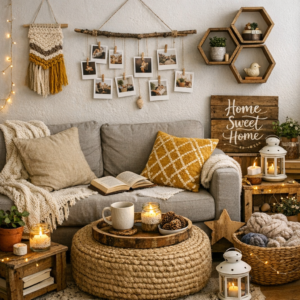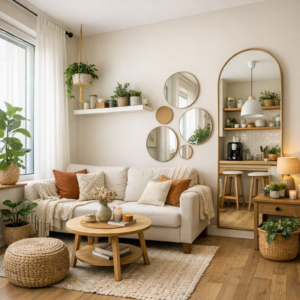
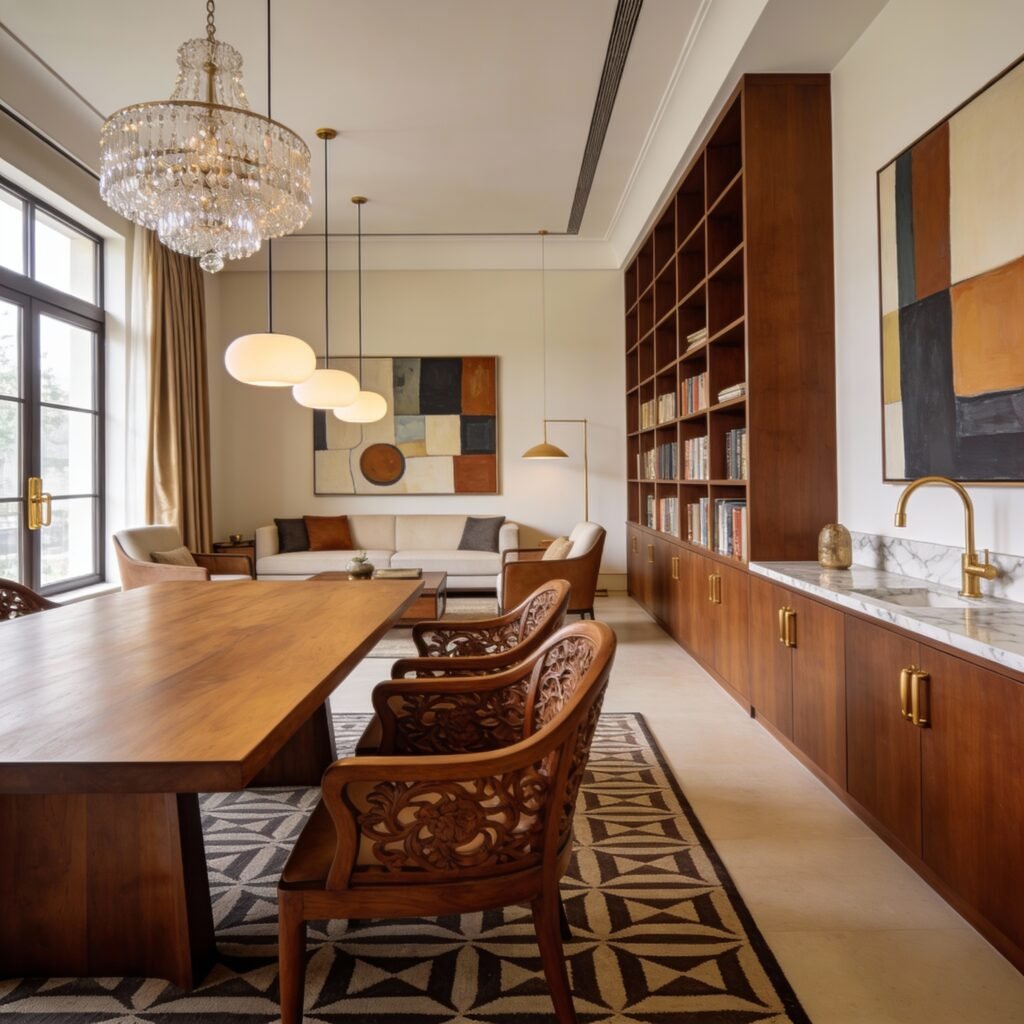
Blending modern and traditional home décor is a design trend that has grown increasingly popular in recent years. Many homeowners love the clean lines, minimalism, and sleek functionality of modern interiors, but they also cherish the warmth, character, and nostalgia that traditional elements bring. The key is finding a balance that feels cohesive, comfortable, and uniquely yours. Whether you’re redesigning your living room, bedroom, or even your garden space, mixing these styles can create a home that’s both timeless and inspiring.
Why Mixing Modern and Traditional Styles Works
The beauty of combining modern and traditional décor lies in contrast. Modern design emphasizes simplicity, neutral colors, and open spaces, while traditional décor focuses on rich textures, classic furniture, and elegant details. When done thoughtfully, the combination results in a space that feels both fresh and inviting, rather than cold or cluttered.
Benefits include:
-
Personal expression: You can showcase your personality by blending your favorite eras and aesthetics.
-
Flexibility: Modern-traditional fusion works in various room types—from living rooms to kitchens and bedrooms.
-
Timeless appeal: Unlike trends that fade quickly, a well-balanced mix can remain stylish for years.
Start with a Neutral Base
Choose a Neutral Color Palette
To successfully mix styles, begin with a neutral foundation. Shades like beige, cream, gray, or soft taupe provide a calming backdrop that allows both modern and traditional pieces to shine.
Tips:
-
Paint walls in soft neutrals and add accent colors through furniture or décor.
-
Use flooring, rugs, and curtains to reinforce the base palette.
By keeping the base simple, you prevent the space from feeling overwhelming or disjointed.
Blend Furniture Styles Thoughtfully
Mix Modern and Traditional Pieces
The key to furniture selection is balance. You don’t need to have equal numbers of modern and traditional items, but aim for a complementary feel.
Ideas:
-
Pair a sleek, low-profile sofa with a carved wooden coffee table.
-
Use a modern metal or glass dining table with classic upholstered chairs.
-
Incorporate a vintage armchair or side table in a minimalist living room.
Avoid common mistakes:
-
Don’t overcrowd the space with too many ornate pieces.
-
Ensure furniture scales and proportions work together; oversized traditional furniture can overwhelm modern spaces.
Layer Textures and Materials
Texture plays a crucial role in tying different styles together. Traditional décor often features rich fabrics like velvet, silk, or brocade, while modern interiors lean toward smooth surfaces like leather, glass, and metal.
How to combine them:
-
Place a velvet throw over a sleek leather sofa.
-
Mix wooden furniture with metal or glass accents.
-
Use textured rugs, cushions, and curtains to soften modern edges.
Layering materials keeps the space cozy without sacrificing the elegance of either style.
Balance Patterns and Prints
Modern design usually favors solids and subtle patterns, whereas traditional décor embraces florals, damasks, and geometric motifs. Combining these thoughtfully can make your home visually interesting.
Practical tips:
-
Use patterned cushions or rugs as accent pieces on a modern sofa.
-
Introduce one bold traditional wallpaper on a feature wall and keep the rest neutral.
-
Mix small patterns with large solids to prevent visual clutter.
By controlling scale and placement, patterns enhance rather than compete with your décor.
Use Art and Accessories Strategically
Artwork and accessories are the easiest way to bridge modern and traditional styles.
Ideas:
-
Hang contemporary abstract art above a classic wooden mantel.
-
Display vintage vases or antique clocks alongside modern lighting fixtures.
-
Incorporate mirrors with ornate frames in minimalist spaces to add character.
Pro tip: Limit the number of statement pieces per room to maintain a cohesive look.
Incorporate Lighting Wisely
Lighting can define the mood and highlight your design choices.
Suggestions:
-
Pair traditional chandeliers with modern floor lamps for layered lighting.
-
Use warm bulbs to keep traditional areas cozy, and cooler tones for sleek modern corners.
-
Consider statement pendant lights over dining tables for a fusion of style and function.
Lighting bridges the gap between aesthetics while improving the room’s usability.
Don’t Forget the Outdoors
Mixing modern and traditional doesn’t stop indoors. Your garden, patio, or balcony can follow the same principles:
-
Use modern metal or concrete planters with classic wooden benches.
-
Combine contemporary outdoor lighting with vintage lanterns.
-
Introduce traditional garden ornaments amidst minimalist landscaping.
This approach ensures your home feels cohesive from interior to exterior.
Common Mistakes to Avoid
-
Too much of one style: Strive for harmony, not dominance.
-
Clashing color schemes: Stick to a neutral base and accent colors carefully.
-
Ignoring scale and proportion: Modern furniture can look dwarfed next to bulky traditional pieces.
-
Over-accessorizing: Less is more; choose pieces with meaning or function.
By being mindful of these pitfalls, you can create a space that looks curated rather than chaotic.
Conclusion
Mixing modern and traditional home décor is all about balance, contrast, and thoughtful layering. Start with a neutral base, blend furniture styles, mix textures and patterns, and strategically place art, accessories, and lighting. Don’t forget to extend these principles to outdoor spaces. With these tips, your home can become a timeless haven that’s both stylish and welcoming.
By following these practical strategies, you’ll create a space that reflects your personality, honors tradition, and embraces contemporary comfort—all in one cohesive design.
FAQ
Can I mix modern and traditional décor on a budget?
Absolutely! Start with a neutral base, repurpose old furniture, and add affordable décor accents like cushions, rugs, and wall art.
How do I avoid my home looking cluttered?
Focus on balance, keep color schemes neutral, and limit statement pieces to a few per room.
Should I hire a professional designer for this mix?
Not necessarily. Many homeowners achieve stunning results by carefully planning furniture placement, color palettes, and accessories.
Can this style work in small spaces?
Yes! Use compact furniture, keep clutter minimal, and emphasize multifunctional pieces.