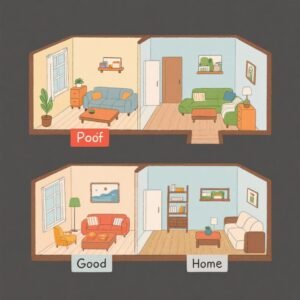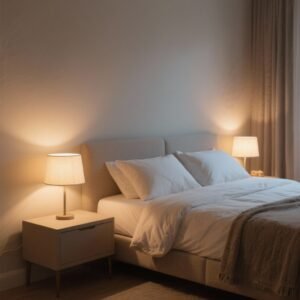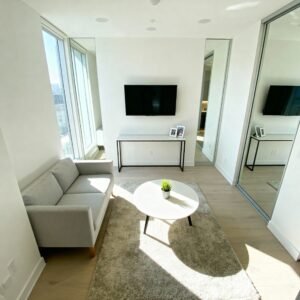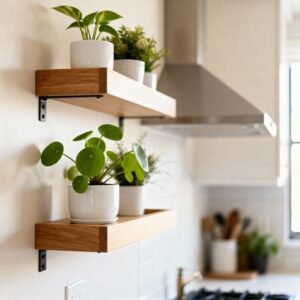
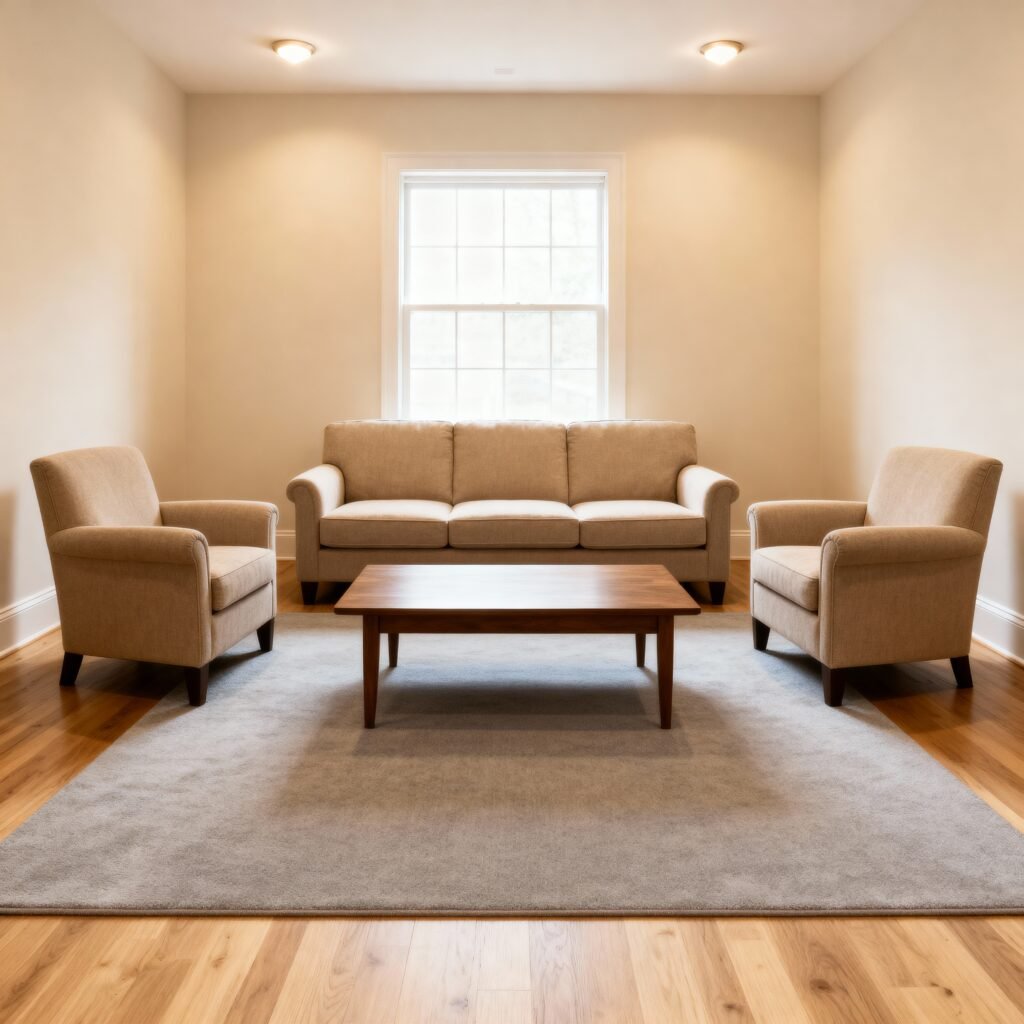
Creating a comfortable, functional, and stylish living room starts with smart furniture placement. Whether you have a cozy apartment or a spacious family home, arranging your furniture correctly can transform your space, making it feel larger, welcoming, and easy to navigate. Many homeowners struggle with cluttered layouts, awkward seating, or wasted corners, but with a few simple strategies, anyone can design a living room that balances style and function. This guide provides practical tips, common mistakes to avoid, and inspirational ideas for placing furniture in a way that enhances your living space for everyday life.
Why Furniture Placement Matters
Your living room is the heart of your home—a place for relaxation, conversation, and entertaining guests. The right furniture layout impacts not just aesthetics but also comfort and functionality. Poor placement can make a room feel cramped, disrupt traffic flow, or make conversation difficult. By prioritizing balance, proportion, and purpose, you can create a room that looks great and feels effortless to live in.
Start with a Clear Plan
Before moving furniture, take a moment to plan:
-
Measure your room: Knowing the dimensions of walls, windows, and doors helps avoid overcrowding or leaving awkward empty spaces.
-
Identify focal points: This could be a fireplace, TV, large window, or statement artwork. Arrange seating to face the focal point naturally.
-
Map out traffic flow: Allow at least 30–36 inches of walking space between furniture pieces to maintain smooth movement.
Practical Tip:
Use painter’s tape on the floor to mark where sofas, chairs, and tables might go. This visual guide makes rearranging easier without heavy lifting.
Living Room Layout Options
1. The Classic Sofa-Centered Layout
This layout positions the sofa facing the main focal point, with side chairs or a loveseat creating a conversational zone.
Why it works:
-
Encourages interaction and socializing
-
Keeps the room feeling balanced
-
Easy to adapt for large or small spaces
Tips:
-
Avoid pushing all furniture against walls; pulling the sofa slightly inward creates cozy boundaries.
-
Use an area rug to anchor the seating area and define the space.
2. The L-Shaped or Sectional Arrangement
Perfect for open-plan rooms, an L-shaped sectional can divide spaces while maximizing seating.
Why it works:
-
Ideal for families or casual living
-
Naturally guides traffic along the open side
-
Creates a lounge-like atmosphere
Tips:
-
Pair with a coffee table or ottoman that’s proportionate to the sectional.
-
Keep pathways clear for easy movement.
3. The Symmetrical Layout
Involves mirroring furniture on either side of the room (e.g., two chairs flanking a sofa).
Why it works:
-
Creates visual harmony and a formal aesthetic
-
Works well in square or rectangular rooms
-
Perfect for rooms with a fireplace as a central anchor
Tips:
-
Balance height and bulk—avoid heavy pieces on one side only.
-
Use matching side tables and lamps to enhance symmetry.
Furniture Placement Tips for Functionality
-
Keep conversation in mind: Chairs and sofas should face each other or the focal point, not just the TV.
-
Mix heights and shapes: Combine low coffee tables, tall lamps, and mid-height sofas to add depth.
-
Layer rugs and textiles: Area rugs can define zones and add warmth. Throw pillows and blankets provide visual interest.
-
Mind the corners: Empty corners can house small accent chairs, plants, or shelves, preventing wasted space.
-
Multi-purpose furniture: Storage ottomans or side tables can double as extra seating or surface space, especially in small rooms.
Common Mistakes to Avoid
-
Cluttered layouts: Too many pieces can overwhelm a space. Focus on essentials and remove unnecessary furniture.
-
Blocking pathways: Ensure there’s enough space to walk comfortably. Avoid placing furniture directly in front of doors or windows.
-
Ignoring scale: Furniture that’s too large or small can throw off balance. Use proportional pieces for your room size.
-
Neglecting lighting: Even a well-arranged room can feel dull without proper lighting. Mix ceiling lights, floor lamps, and table lamps.
Budget-Friendly and Beginner Tips
-
Use painter’s tape or cardboard templates to test arrangements before buying new furniture.
-
Mix old and new pieces: Thrifted chairs or DIY tables can add character without spending a fortune.
-
Repurpose furniture: Move a console table behind the sofa for extra surface space.
-
Decorate with plants: Affordable greenery adds life and warmth while softening furniture edges.
-
Keep it flexible: Lightweight chairs or modular sofas allow easy rearrangement for different occasions.
Adding Style and Personality
Furniture placement isn’t just about function—it sets the tone of your living room:
-
Create cozy corners: A reading nook with a comfortable chair and floor lamp makes the space feel inviting.
-
Highlight artwork: Arrange seating so you can enjoy art, photographs, or wall décor.
-
Balance open and filled space: Negative space prevents the room from feeling cramped and showcases key furniture pieces.
-
Incorporate textures: Mix wood, metal, glass, and fabrics to add visual interest.
Outdoor-Connected Living Rooms
If your living room opens to a patio or garden:
-
Align seating towards the outdoor view to make the room feel larger.
-
Use sliding or folding doors to blur indoor-outdoor boundaries.
-
Add small indoor plants near windows to complement the garden view.
Conclusion
Arranging living room furniture is both an art and a science. By focusing on balance, flow, and proportion, anyone can create a space that’s functional, stylish, and inviting. Start by measuring your room, identifying focal points, and experimenting with layouts. Remember to leave breathing space, avoid clutter, and incorporate personality through textures, plants, and decorative accents. Whether your living room is small or spacious, classic or modern, these tips help you make the most of your space—turning it into a welcoming heart of your home.
FAQ
How far should I place furniture from walls?
Pull furniture slightly away from walls—6–12 inches works well—to create a more open, inviting feel.
Can I mix furniture styles?
Yes! Combining modern, rustic, or vintage pieces adds character, but maintain harmony through color or material balance.
What if my living room is small?
Opt for multi-functional furniture, lighter colors, and smaller-scale pieces. Floating furniture away from walls helps create the illusion of space.
How do I make a long living room cozy?
Divide the room into zones using rugs, furniture groupings, or shelving units to create intimacy and balance.
Should I prioritize comfort or style?
Both! Start with functional seating and flow, then layer décor, textures, and accessories to enhance style without compromising usability.