A thriving home garden can bring peace, beauty, and a sense of accomplishment—but not everyone has hours to dedicate to daily watering and care. That’s where low-maintenance plants come in. These hardy, resilient plants let you enjoy greenery and fresh air without the stress of constant upkeep. Whether you live in a cozy apartment, a suburban backyard, or a small balcony, selecting the right plants can transform your outdoor space into a serene oasis.
In this guide, we’ll explore practical options, care tips, and creative ideas for adding greenery to your home garden effortlessly. By the end, you’ll have the confidence to cultivate a lush garden—even with a busy schedule.
Why Choose Low-Maintenance Plants?
Maintaining a garden can sometimes feel overwhelming. Life gets busy, and watering schedules, fertilizing, pruning, and pest control can quickly pile up. Low-maintenance plants are perfect for:
-
Beginners: If you’re new to gardening, these plants are forgiving and easy to grow.
-
Busy homeowners: Spend more time enjoying your garden than maintaining it.
-
Budget-friendly gardening: Many low-maintenance plants are hardy and thrive without expensive fertilizers or special soil.
Choosing the right plants ensures your garden remains beautiful year-round, reduces stress, and still delivers the satisfaction of nurturing living things.
Top Low-Maintenance Plants for Home Gardens
Here’s a selection of easy-to-care-for plants that suit various garden styles:
1. Succulents and Cacti
Succulents and cacti are famous for their water-storing abilities. Perfect for sunny spots, they require little attention and can survive droughts.
Tips for success:
-
Use well-draining soil to prevent root rot.
-
Place near windows or in sunny garden areas.
-
Water sparingly—usually once every 2–3 weeks.
Example plants: Aloe Vera, Echeveria, Jade Plant, Barrel Cactus.
2. Snake Plant (Sansevieria)
Snake plants are nearly indestructible and adapt to low-light conditions, making them ideal for shaded garden corners or indoor-outdoor spaces.
Care tips:
-
Avoid overwatering; let the soil dry between watering.
-
Thrives in indirect sunlight but tolerates low light.
3. Lavender
Lavender is not only low-maintenance but also adds fragrance and charm to your garden. It repels pests naturally and attracts pollinators.
Care tips:
-
Plant in full sun with well-draining soil.
-
Water moderately; avoid waterlogging.
-
Prune after flowering to encourage growth.
4. Herbs for Everyday Use
Herbs such as rosemary, thyme, and mint are easy to grow and serve both decorative and culinary purposes.
Tips for gardeners:
-
Place herbs in sunny spots or containers for easy access.
-
Trim leaves regularly to encourage bushy growth.
-
Mint spreads rapidly—consider pot cultivation to control it.
5. Ornamental Grasses
Ornamental grasses like Fountain Grass or Blue Fescue add movement and texture to your garden without heavy maintenance.
Why they work:
-
Resistant to drought and pests.
-
Minimal fertilization required.
-
Cut back in late winter for fresh growth.
6. ZZ Plant (Zamioculcas zamiifolia)
ZZ plants are perfect for shaded areas, tolerating neglect and irregular watering. Their glossy leaves brighten any space.
Care tips:
-
Water only when soil is dry.
-
Avoid direct sunlight to prevent leaf burn.
Practical Tips for a Low-Maintenance Garden
Even hardy plants need some attention. Here’s how to keep your garden looking lush with minimal effort:
1. Choose the Right Pots and Soil
-
Self-watering pots can reduce watering frequency.
-
Use well-draining soil to prevent root rot.
2. Mulch for Moisture Retention
-
Adding mulch around plants helps retain soil moisture and reduces weeding.
-
Organic mulch also enriches soil as it decomposes.
3. Group Plants by Water Needs
-
Keep plants with similar watering requirements together.
-
This prevents overwatering or underwatering and simplifies care.
4. Fertilize Smartly
-
Use slow-release or organic fertilizers for steady nutrition.
-
Over-fertilization can harm low-maintenance plants.
5. Regular Pruning and Deadheading
-
Even low-maintenance plants benefit from removing dead leaves or flowers.
-
Encourages new growth and keeps your garden tidy.
Common Mistakes to Avoid
Even simple gardens can fail if care mistakes are made:
-
Overwatering: The most common error; many low-maintenance plants prefer dry soil between waterings.
-
Wrong sunlight exposure: Placing sun-loving plants in shade (or vice versa) can stunt growth.
-
Ignoring pests: While many hardy plants resist pests, occasional checks prevent infestations.
-
Crowding plants: Give each plant enough space to grow; overcrowding leads to disease.
By paying attention to these simple factors, your garden will thrive effortlessly.
Creative Low-Maintenance Garden Ideas
-
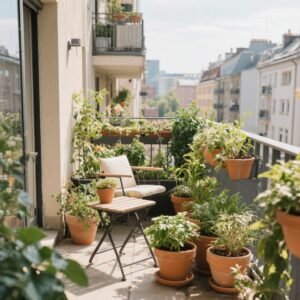
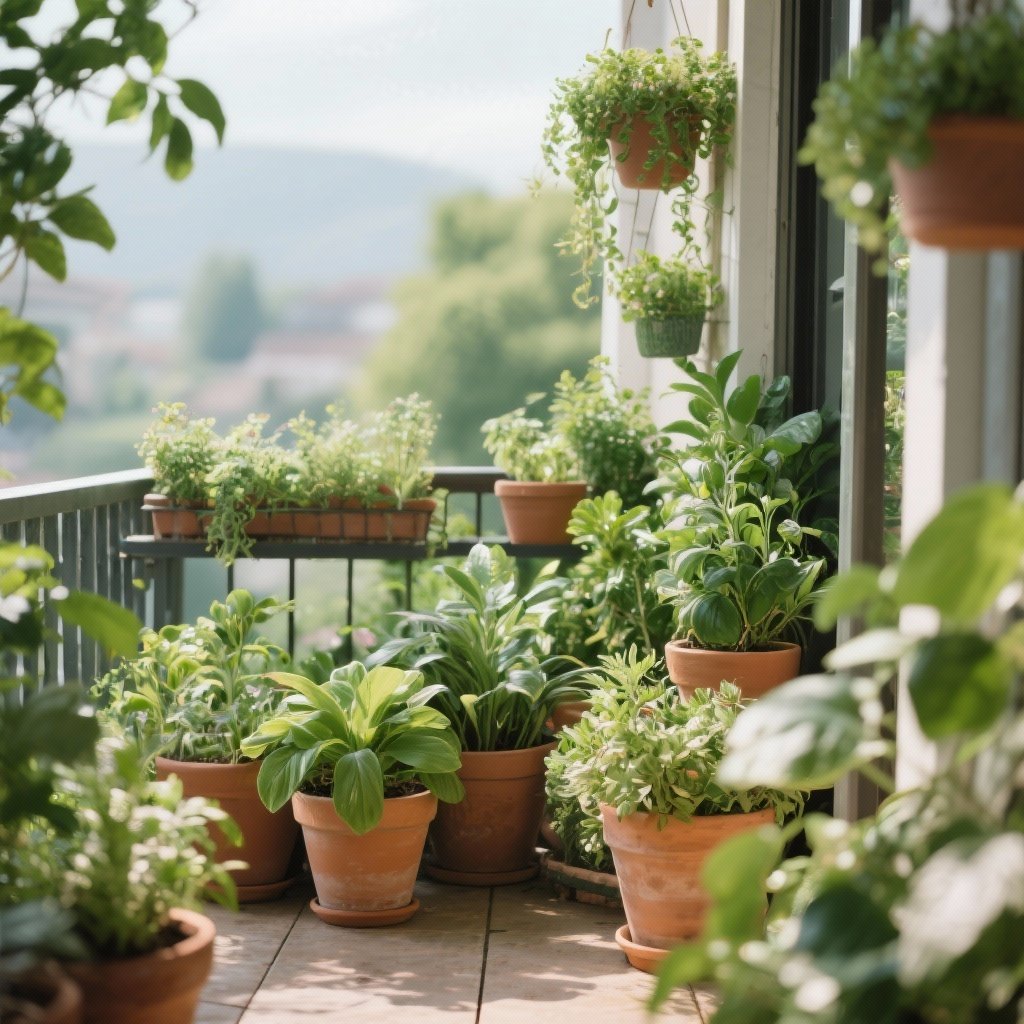
Vertical Gardens: Ideal for balconies or small spaces—plants like succulents, ferns, and herbs can grow in hanging pots or wall planters.
-
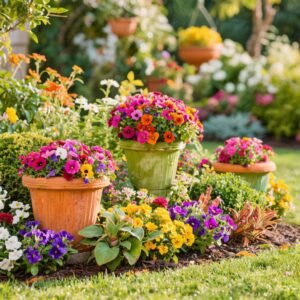
Container Gardens: Allows flexibility, easy rearrangement, and controlled watering.
-
Mixed Planting: Combine succulents, grasses, and herbs for texture, color, and fragrance.
-
Indoor-Outdoor Blend: Bring hardy indoor plants like snake plants and ZZ plants outside in summer for a lush, cohesive look.
These ideas are modern yet timeless, adding personality to any home garden without heavy upkeep.
Conclusion
Creating a beautiful garden doesn’t mean endless hours of work. By selecting low-maintenance plants like succulents, snake plants, lavender, herbs, and ornamental grasses, you can enjoy the beauty, aroma, and serenity of a garden with minimal effort. Remember to group plants by water needs, use proper soil, mulch, and occasional pruning, and avoid common mistakes like overwatering or poor sunlight exposure.
Start small, experiment, and let your garden grow naturally. With these tips, your home can become a tranquil oasis filled with greenery and life—even if your schedule is busy.
FAQ
Can low-maintenance plants survive indoors?
Yes! Plants like snake plants, ZZ plants, and certain succulents thrive indoors with indirect light and minimal watering.
How often should I water low-maintenance plants?
It varies, but most hardy plants prefer their soil to dry between waterings. Generally, once every 1–3 weeks is sufficient.
Can low-maintenance plants bloom?
Absolutely! Plants like lavender and certain succulents produce beautiful flowers, adding color without extra effort.
Are herbs considered low-maintenance?
Yes, herbs like rosemary, thyme, and mint are easy to grow, especially in sunny spots or containers.